
Manila Clam Spreading Along the Atlantic Coastline: What Scientists Have Discovered
The Manila clam has become an unexpected topic of discussion after scientists confirmed that it is spreading along parts of the Atlantic coastline. This shellfish, which is native to East Asia, has been found in many coastal regions around the world because of aquaculture and human activities. Now, researchers have confirmed that it has established breeding populations in areas of the Atlantic where it had not been known to live before.
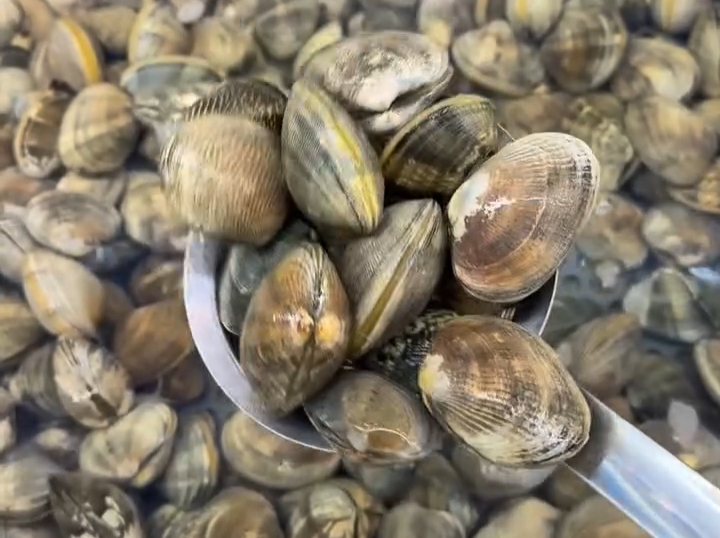
The discovery is important because invasive marine species can change coastal ecosystems over time. Although experts are not calling this an environmental emergency, they say the spread of the Manila clam should be watched carefully. Learning how the species adapts to its new home will help scientists understand its possible effects on native shellfish and marine habitats.
What Is the Manila Clam?
The Manila clam, scientifically known as Ruditapes philippinarum, is a small saltwater clam that naturally lives in the coastal waters of Japan, China, Korea, and nearby regions. It is one of the most popular edible clams in the world because it grows quickly, has a pleasant taste, and can survive in many different coastal environments.
For many years, the species has been farmed in different countries to meet the growing demand for seafood. Because of its commercial value, it has been transported to many regions outside its native range. In some places, escaped or accidentally released clams have formed wild populations.
Today, the Manila clam is found in several parts of Europe and on the Pacific coast of North America. The recent discovery along the Atlantic coastline has added another chapter to the story of this successful shellfish.
How Did Scientists Find the Clams?
Researchers began investigating after unusual clam shells were noticed by local beach visitors, shell collectors, and marine biologists. At first, the findings appeared to be isolated cases, but more surveys revealed that the species had established breeding populations.
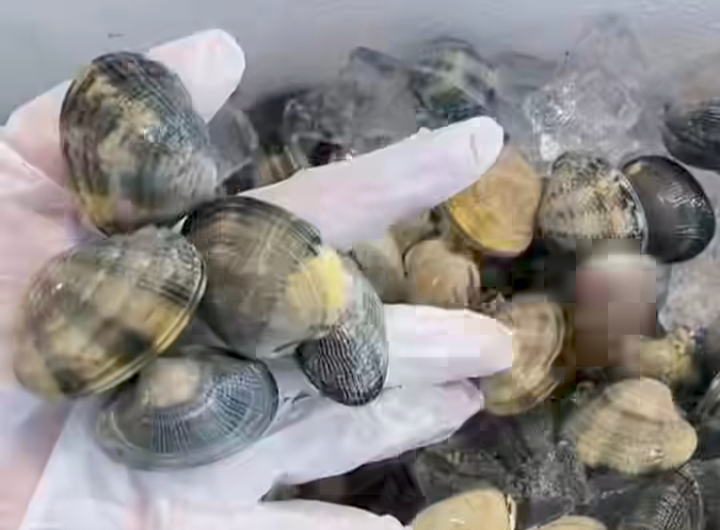
Scientists collected samples from several locations and compared them with known Manila clam populations. The results confirmed that the clams were reproducing naturally rather than appearing through one-time introductions.
Finding the species at this stage is valuable because researchers rarely have the chance to observe the beginning of a marine invasion. Most invasive species are discovered only after they have already spread across large areas.
How Did the Manila Clam Reach the Atlantic Coast?
The exact route is still unknown, but scientists believe human activity is the most likely reason.
Several possibilities are being considered. One is shellfish farming, where the movement of seafood between regions may accidentally carry small clams or larvae. Another possibility is shipping. Ships take on ballast water in one location and release it in another, allowing tiny marine organisms to travel long distances.
Fishing equipment, boats, and even accidental releases from seafood markets could also contribute to the spread.
Whatever the exact cause, researchers agree that people play a major role in moving marine species beyond their natural habitats.
Why Is It Considered an Invasive Species?
A species is described as invasive when it spreads outside its native range and begins affecting local ecosystems.
The Manila clam has several characteristics that help it survive in new environments. It grows quickly, reproduces in large numbers, and can tolerate different water temperatures and salt levels. These qualities make it successful in many coastal areas.
If its population continues to grow, it may compete with native shellfish for food and space. Over time, this competition could reduce the numbers of local species or change how coastal ecosystems function.
However, scientists say more research is needed before drawing conclusions about its long-term impact on the Atlantic coast.
Possible Effects on Marine Life
The spread of the Manila clam may influence the environment in several ways.
One concern is competition with native clams. Both species depend on similar food sources, such as tiny particles suspended in seawater. If Manila clams become more common, native shellfish may struggle to find enough resources.
Another possible effect is habitat change. Clams naturally filter water and disturb sediments while feeding. Large populations can influence water quality, nutrient cycling, and the structure of the seabed.
Researchers are also studying whether the presence of Manila clams could affect crabs, fish, birds, and other animals that depend on coastal shellfish.
These changes may happen slowly over many years, which is why long-term monitoring is important.
Could Climate Change Help the Species Spread?
Many marine scientists believe climate change could make it easier for Manila clams to survive in new places.
Warmer ocean temperatures may reduce winter mortality and allow young clams to grow successfully. Rising sea temperatures could also create suitable habitats farther north than in the past.
Climate change alone did not introduce the species, but changing environmental conditions may increase its chances of becoming established.
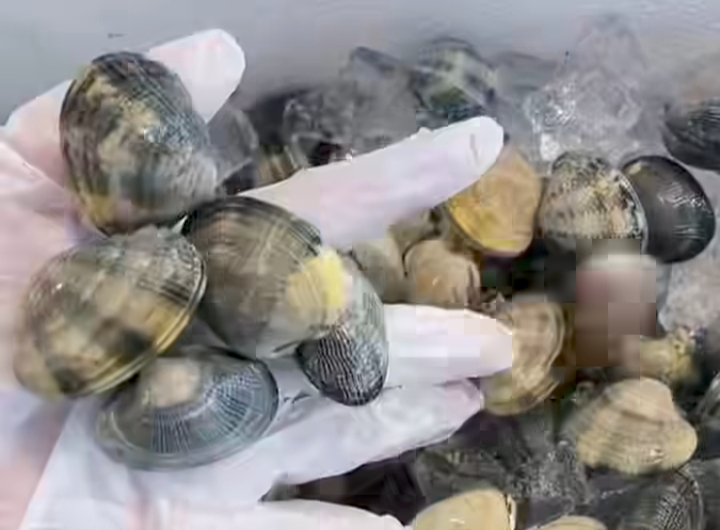
Scientists are continuing to study how warming oceans influence the movement of marine species around the world.
Is the Manila Clam Dangerous to Humans?
There is no evidence that the Manila clam itself is harmful to people.
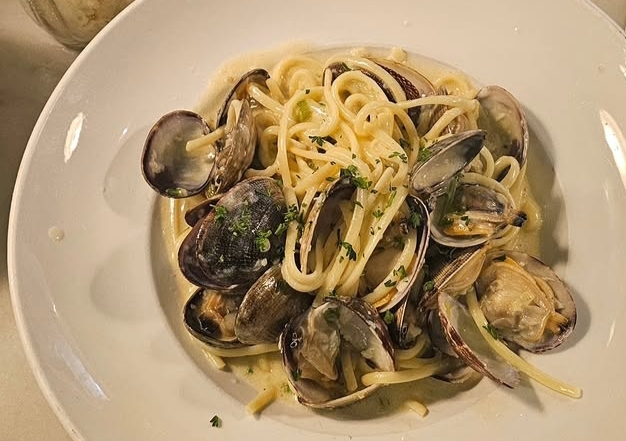
In fact, it is one of the world’s most widely consumed shellfish and supports important seafood industries in many countries. Restaurants and seafood markets sell Manila clams because they are considered tasty and nutritious.
Like all shellfish, however, they should only be collected from approved harvesting areas. Clams can absorb bacteria, viruses, or harmful algae from polluted water, so proper food safety rules remain important regardless of the species.
The current concern is environmental rather than related to public health.
Why This Discovery Matters
The appearance of Manila clams along the Atlantic coastline gives scientists a rare opportunity to study the early stages of a marine invasion.
By monitoring these populations now, researchers can learn how quickly the species spreads, which habitats it prefers, and whether it affects native wildlife. This information could help improve future conservation efforts and guide decisions about managing invasive marine species.
The discovery also reminds us that the world’s oceans are more connected than ever. Shipping, aquaculture, tourism, and global trade make it easier for plants and animals to move across continents.
Not every introduced species becomes invasive, but those that do can reshape ecosystems in unexpected ways.
What Happens Next?
Scientists plan to continue surveying beaches, estuaries, and coastal waters to track the spread of the Manila clam. They will compare new populations with native shellfish and monitor any environmental changes over time.
Researchers are especially interested in learning whether the clam remains limited to a few areas or expands along a larger stretch of the Atlantic coastline.
Government agencies, conservation groups, and marine scientists are expected to work together to collect data and develop management plans if needed.
Conclusion
The discovery of Manila clams spreading along the Atlantic coastline is an important development in marine science. Although the species is valuable as seafood and does not pose a direct health risk to people, its arrival in a new ecosystem raises important environmental questions.
Scientists are still in the early stages of understanding what this means for native shellfish and coastal habitats. At present, there is no reason for public alarm, but careful monitoring will be essential over the coming years.
As researchers continue their work, the Manila clam will provide valuable insights into how marine species spread across the world and how coastal ecosystems respond to new arrivals. The findings may also help protect biodiversity and improve the management of future invasive species before they become widespread.
U.S. Northeast Is No Longer Free of Manila Clams