
Daylight Saving Time Still Sparks Debate in 2026
Millions of people will once again adjust their clocks as Daylight Saving Time 2026 follows its yearly schedule in several countries.

Millions of people adjust their clocks every year when Daylight Saving Time begins and ends. While many enjoy longer daylight in the evening, others question whether changing the clocks twice a year is still necessary. The discussion has become even stronger as lawmakers in several countries continue to consider proposals that would make Daylight Saving Time permanent.
Although the idea has supporters and critics, most places that observe Daylight Saving Time in 2026 are still following the traditional schedule of moving clocks forward in spring and back in autumn.
What Is Daylight Saving Time?
Daylight Saving Time (DST) is a system that shifts clocks forward by one hour during the warmer months. The purpose is to make better use of natural daylight by moving an hour of daylight from the morning to the evening. the annual clock change
When Daylight Saving Time begins, people usually lose one hour of sleep because clocks move forward. When it ends later in the year, clocks move back by one hour, giving people an extra hour of sleep.
Not every country uses Daylight Saving Time. Some have never adopted it, while others stopped using it years ago.
Why Was Daylight Saving Time Introduced?
The practice was introduced to make better use of daylight and reduce the need for artificial lighting. Over the years, supporters have also argued that longer daylight in the evening encourages shopping, outdoor activities, sports, and tourism.
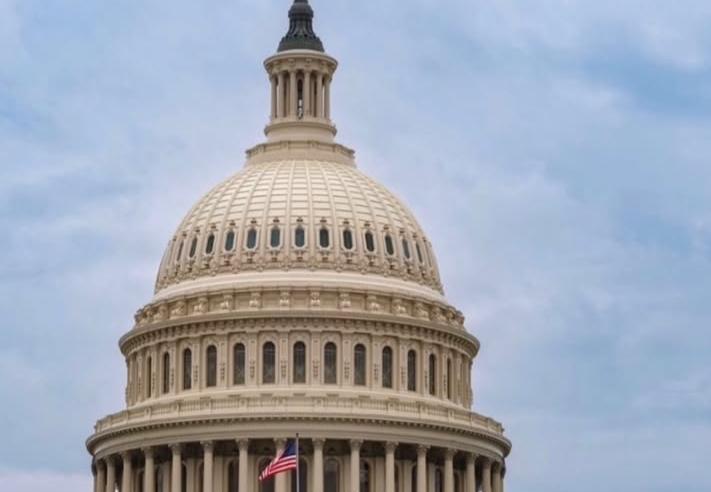
However, experts say the amount of energy saved today is much smaller than it was decades ago because homes and businesses now use electricity in different ways.
When Does Daylight Saving Time Happen in 2026?
In countries such as the United States that observe Daylight Saving Time, clocks move:
- Forward by one hour on the second Sunday in March.
- Back by one hour on the first Sunday in November.
Other countries may follow different schedules, while many regions stay on the same time throughout the year.
People should always check the official schedule for their own country or region because the dates are not the same everywhere.
Are We in Daylight Saving Time Now?
The answer depends on where you live and the current date.
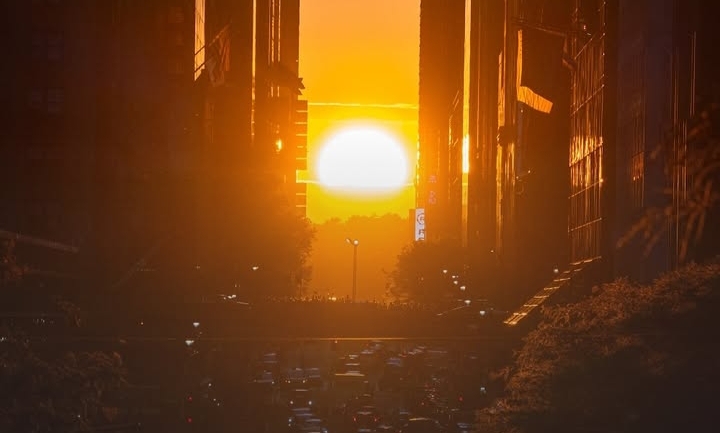
Some countries are currently observing Daylight Saving Time, while others remain on standard time all year. Even within the same country, certain states or regions may follow different rules.
The Push for Permanent Daylight Saving Time
The debate over permanent Daylight Saving Time has continued for several years. Instead of changing clocks twice a year, permanent DST would keep the clocks one hour ahead throughout the year.
Supporters believe this would remove the inconvenience of seasonal clock changes and provide more daylight during evening hours.
Several proposals have been introduced in different countries, but many have not yet become permanent law. In most cases, governments continue to study the possible effects before making a final decision.
Why Some People Support Permanent DST
Supporters believe permanent Daylight Saving Time offers several advantages.
One of the biggest reasons is having more daylight after work or school. Longer evenings can encourage outdoor exercise, shopping, dining, and family activities.
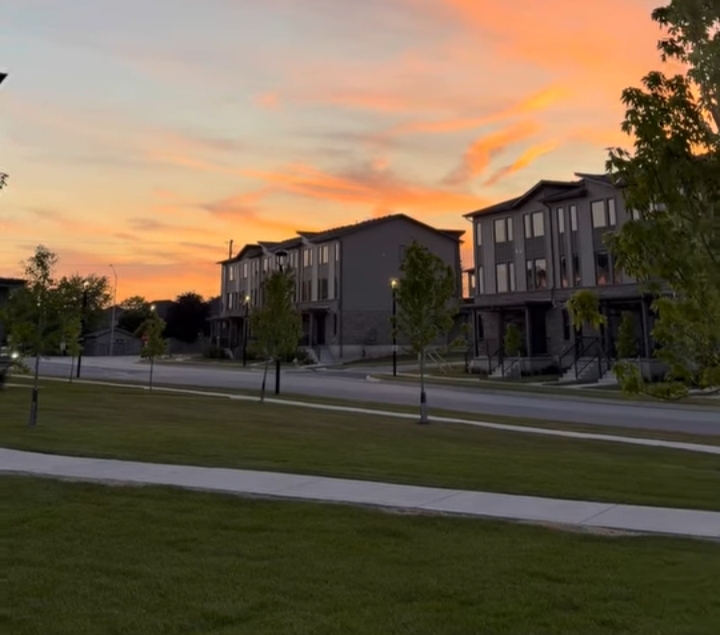
Many people also prefer eliminating the need to change clocks every spring and autumn. They argue that keeping one time throughout the year would be simpler for travel, business, and daily routines.
Why Others Oppose Permanent Daylight Saving Time
Not everyone agrees that permanent DST is the best solution.
Some sleep researchers believe darker winter mornings could make it harder for people to wake naturally. Children travelling to school before sunrise may also face reduced visibility during the winter months.
Health experts have also studied whether changing clocks affects sleep patterns, although opinions differ on the long-term impact.
How Daylight Saving Time Changes Sunrise and Sunset
One noticeable effect of Daylight Saving Time is the change in sunrise and sunset times.
After clocks move forward:
- The sun rises later in the morning.
- The sun sets later in the evening.
Many people enjoy having daylight available after work, while others prefer brighter mornings instead.
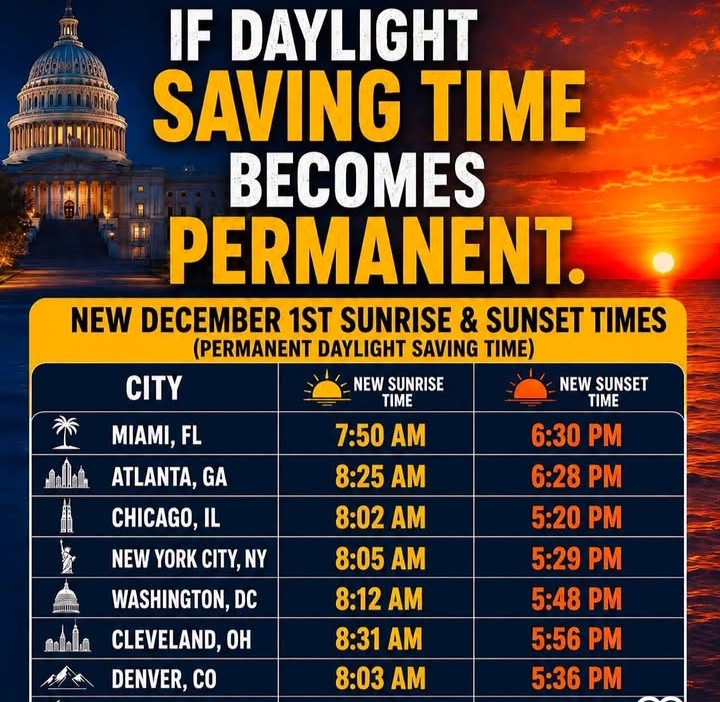
The exact sunrise and sunset times depend on your location.
Countries That Use Daylight Saving Time
Several countries continue to observe Daylight Saving Time, including parts of:
- The United States
- Canada
- Europe
- Australia
- New Zealand
Many countries in Asia, Africa, and South America either never adopted DST or later ended the practice.
Because every nation follows its own rules, international travellers should always check local time before flying.
Does Daylight Saving Time Still Save Energy?
One of the original reasons for Daylight Saving Time was reducing electricity use.
Today, researchers say the benefits are less clear. Modern homes use energy for heating, cooling, electronics, and appliances throughout the day, making overall electricity savings much smaller than originally expected.
As a result, governments now consider health, transportation, business, and public safety alongside energy use when reviewing Daylight Saving Time policies.
What Could Happen Next?
The future of Daylight Saving Time remains uncertain.
Some lawmakers continue to support permanent Daylight Saving Time, while others believe permanent standard time would better match natural daylight and human sleep patterns.
Until new laws are passed, most countries that observe Daylight Saving Time are expected to continue changing their clocks twice each year.
Conclusion
Daylight Saving Time remains one of the most discussed time-related policies in the world. Supporters appreciate longer evenings and fewer seasonal disruptions if the system becomes permanent, while critics point to darker winter mornings and possible health concerns.
Although the future of Daylight Saving Time 2026 remains uncertain, many countries continue to follow the traditional schedule while lawmakers debate possible long-term changes.
For now, the traditional clock changes continue in many regions during 2026. As governments review scientific research and public opinion, the debate over permanent Daylight Saving Time is likely to remain an important issue for years to come.