
The Canada Wildfires 2026 season has become one of the biggest environmental stories of the summer. Large fires burning across several provinces have sent thick smoke into the atmosphere, reducing air quality across parts of Canada and the United States.
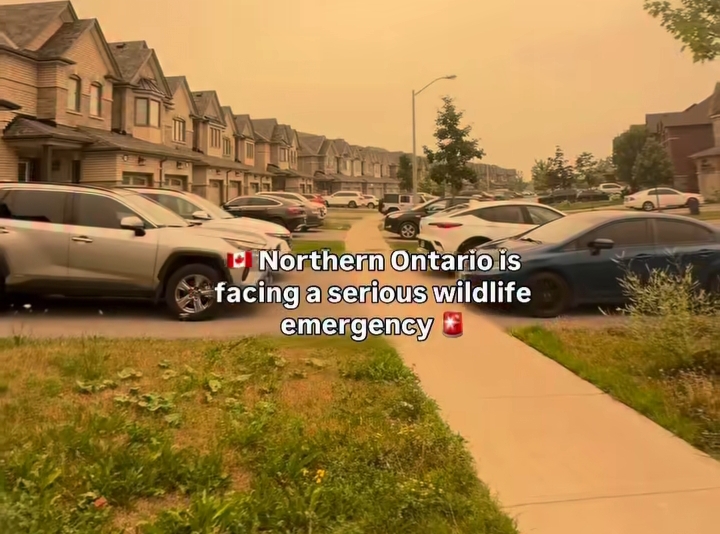
The Canada Wildfires 2026 season has become one of the biggest environmental stories of the year.
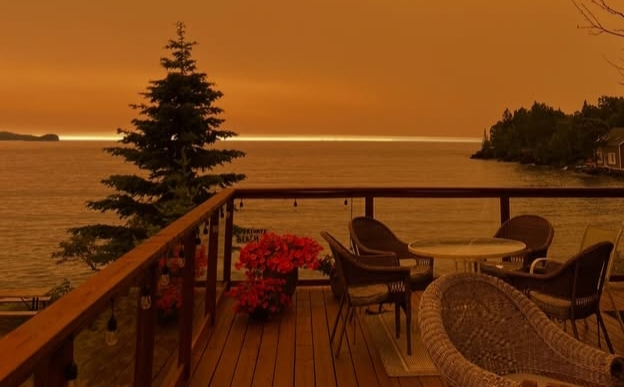
Millions of people have noticed hazy skies, orange sunsets, and poor visibility. In some cities, residents are asking questions like “Why is the sky yellow right now?” and “Why is the sun orange today?” The answer is usually the same—wildfire smoke traveling hundreds or even thousands of miles.
As firefighters continue battling active blazes, weather conditions remain an important factor in determining how quickly the fires can be controlled.
Why Are Canada Wildfires So Severe in 2026?
Wildfires are a natural part of many Canadian forests, but several conditions have made this year’s season especially challenging.
Long periods of dry weather, above-average temperatures, strong winds, and lightning storms have all contributed to rapid fire growth. Once a wildfire starts under these conditions, it can spread quickly through forests and grasslands.
Climate experts also note that warmer temperatures can lengthen wildfire seasons, allowing fires to burn earlier in spring and continue later into summer.
Which Areas Are Most Affected?
Several provinces have reported active wildfire activity during the 2026 season. Among the most closely watched areas are:
- Ontario
- Manitoba
- Saskatchewan
- Alberta
- British Columbia
Ontario wildfires have attracted particular attention because smoke from these fires has traveled toward major population centers in both Canada and the northeastern United States.
Experts say the Canada Wildfires 2026 season has expanded because of prolonged heat, dry forests, and strong winds.
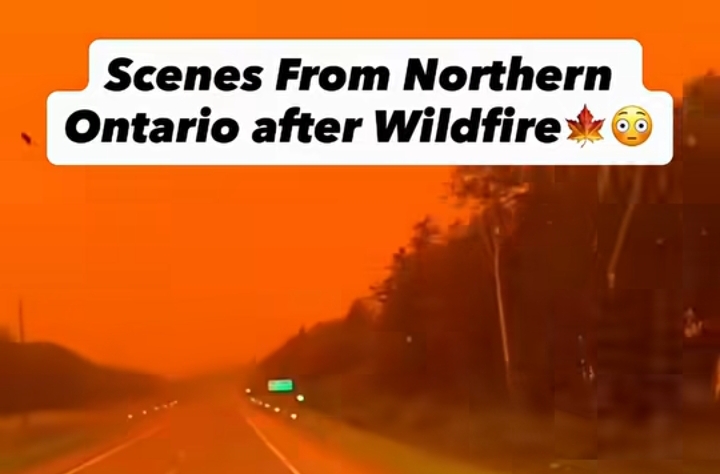
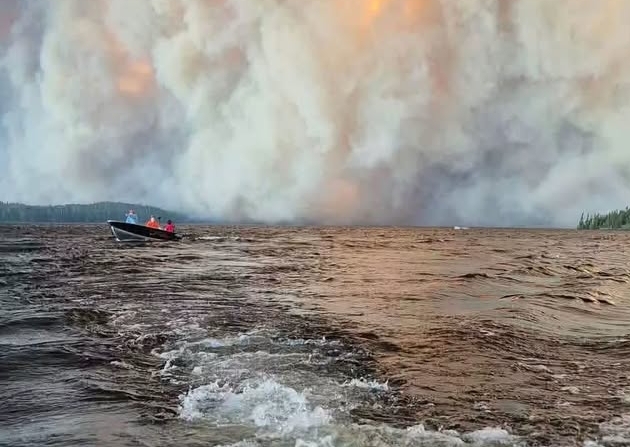
Fire crews continue monitoring new hotspots while working to contain existing fires.
Wildfire Smoke Travels Far Beyond Canada
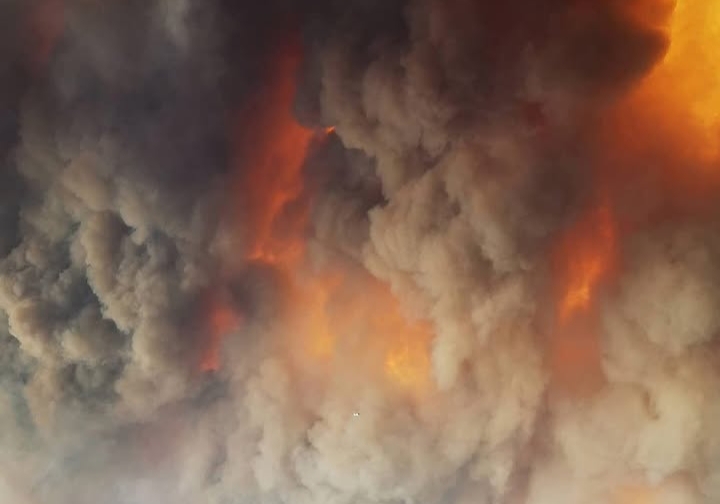
One of the biggest impacts of large wildfires is not always the flames themselves but the smoke they produce.
Wildfire smoke contains tiny particles that can remain suspended in the atmosphere for days. Weather systems can carry this smoke across international borders.
As a result, cities hundreds of miles away may experience:
- Hazy skies
- Reduced visibility
- Poor air quality
- Burning eyes
- Sore throat
- Difficulty breathing
This is why smoke from Canada fires has affected many American states during previous wildfire seasons as well.
Air Quality Becomes a Major Concern
As smoke spreads, people often check the Air Quality Index (AQI) to understand outdoor conditions.
The AQI measures how clean or polluted the air is. Higher numbers indicate greater health risks.
The Canada Wildfires 2026 emergency continues to affect several provinces, with firefighters responding to new outbreaks each week.
General AQI categories include:
- 0–50: Good
- 51–100: Moderate
- 101–150: Unhealthy for sensitive groups
- 151–200: Unhealthy
- 201–300: Very unhealthy
- 301+: Hazardous
When wildfire smoke moves into an area, AQI values can rise quickly.
Residents are encouraged to monitor local air quality updates throughout the day because conditions can change rapidly depending on wind direction.
Why Is the Sky Yellow Right Now?
Many people have noticed unusual yellow or gray skies during wildfire events.
One of the biggest impacts of the Canada Wildfires 2026 is the widespread smoke that has lowered air quality across Canada and parts of the United States
This happens because smoke particles scatter sunlight differently than clean air.
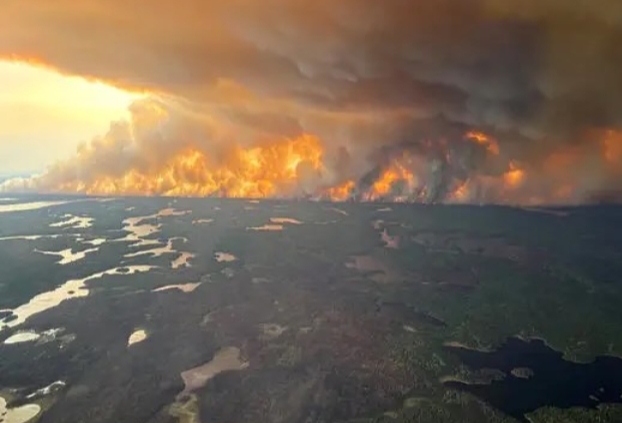
When thick smoke fills the atmosphere:
- Blue light becomes scattered.
- Yellow and red wavelengths become more visible.
- The entire sky may appear yellow, orange, or even brown.
The effect is strongest during sunrise and sunset but can occur throughout the day when smoke is especially dense.
Why Is the Sun Orange Today?
An orange or deep red sun is another common effect of wildfire smoke.
Tiny smoke particles filter sunlight before it reaches the ground. As shorter wavelengths are scattered away, the remaining sunlight appears orange or red.
Health officials continue to monitor the effects of Canada Wildfires 2026 as smoke spreads into densely populated regions.
Although the view may look dramatic, it often indicates elevated smoke levels in the atmosphere.
Wildfire Smoke Reaches Boston
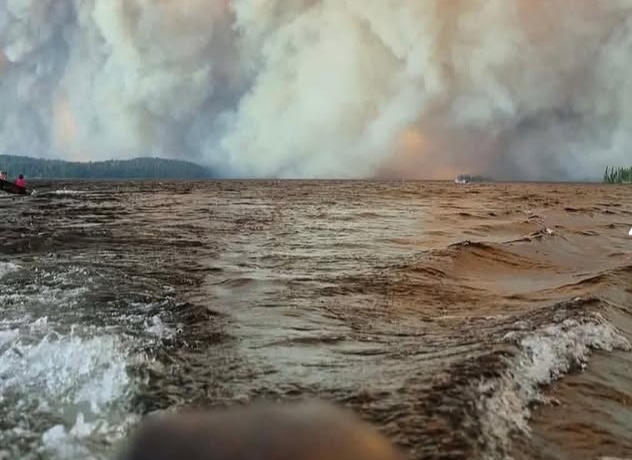
Many residents in the northeastern United States have reported smoky conditions, including people asking about wildfire smoke Boston and air quality Boston.
Even if there are no local fires nearby, smoke transported from Canadian wildfires can temporarily reduce visibility and increase pollution levels.
Health officials typically recommend checking local air quality reports before spending extended periods outdoors.
How Wildfire Smoke Affects Health
Wildfire smoke contains very small particles known as PM2.5, which can enter deep into the lungs.
Although firefighting efforts continue, the Canada Wildfires 2026 season is expected to remain active if hot and dry weather persists.
Common symptoms include:
- Coughing
- Eye irritation
- Runny nose
- Scratchy throat
- Headaches
- Shortness of breath
People with asthma, heart disease, lung disease, older adults, pregnant women, and young children may experience stronger effects.
Even healthy individuals may notice discomfort after spending several hours outside in heavy smoke.
How to Protect Yourself During Poor Air Quality
Health experts recommend several simple precautions when smoke levels increase.
Stay Indoors
Keep windows and doors closed if outdoor air quality is poor.
Reduce Outdoor Exercise
Running or heavy physical activity causes people to breathe more smoke particles into their lungs.
Use Air Filtration
Portable air purifiers with HEPA filters can help improve indoor air quality.
Wear a High-Quality Mask
If outdoor exposure cannot be avoided, a properly fitted N95 or similar respirator offers better protection from smoke particles than a standard cloth mask.
Watch Air Quality Updates
Conditions can improve or worsen throughout the day depending on wind patterns.
How Firefighters Continue Their Work
Wildfire response involves thousands of emergency workers using both ground and aerial resources.
Their efforts include:
- Building fire breaks
- Using helicopters and water bombers
- Protecting nearby communities
- Monitoring changing weather
- Supporting evacuations when necessary
Firefighters often work long shifts under difficult conditions to slow the spread of active fires.
Can Rain End the Wildfires?
Rain can help reduce fire activity, but its effectiveness depends on several factors.
Light showers may only temporarily reduce smoke while leaving deeper forest fuels dry enough to continue burning.
Long-lasting rainfall combined with cooler temperatures and weaker winds provides the greatest chance of slowing wildfire growth.
Why Smoke Conditions Change Every Day
Smoke movement depends largely on weather.
Wind speed and direction determine where smoke travels, while temperature changes can trap smoke closer to the ground.
As weather systems move, one city may see improving conditions while another experiences worsening air quality only hours later.
That is why daily forecasts and smoke maps remain important during wildfire season.
Looking Ahead
The Canada Wildfires 2026 season remains an evolving situation. Fire crews continue working across multiple provinces while communities monitor changing weather and smoke conditions.
For many people, the biggest daily concern is not the flames themselves but the smoke affecting air quality across North America. Staying informed, checking local AQI reports, and following public health guidance can help reduce health risks until conditions improve.
As summer continues, officials will closely watch weather patterns that could either help firefighters gain control or increase the risk of new wildfire activity.
FAQs
What is causing the Canada Wildfires 2026?
Dry weather, high temperatures, strong winds, and lightning have all contributed to widespread wildfire activity across Canada.
Why is the sky yellow right now?
Wildfire smoke scatters sunlight, making the sky appear yellow, orange, or brown.
Why is the sun orange today?
Smoke particles filter sunlight, allowing more orange and red light to reach the ground.
What is AQI?
AQI stands for Air Quality Index, a system used to measure how clean or polluted the air is.
Can wildfire smoke travel to the United States?
Yes. Smoke can travel hundreds or even thousands of miles depending on wind conditions.
Who should be most careful during wildfire smoke events?
Children, older adults, pregnant women, and people with asthma, heart disease, or lung conditions should take extra precautions.
Wildfire Map Spotlight: Northwestern Ontario wildfires, Canada
TSCL COLA Projections 2027: What Social Security Recipients Should Know