
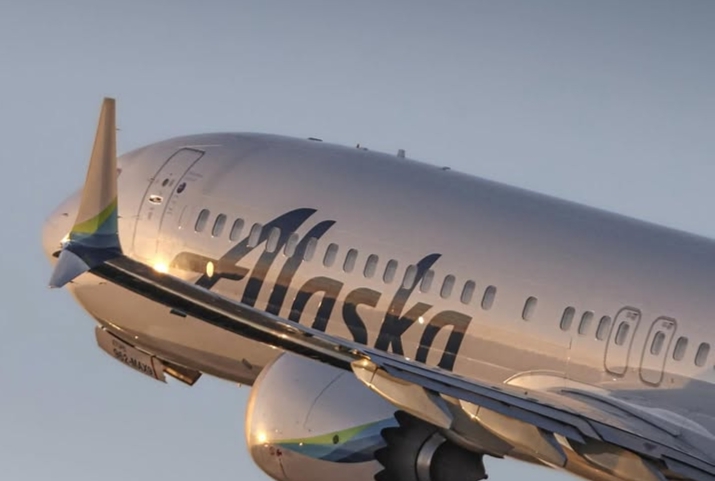
A routine Alaska Airlines flight turned into an unexpected event after a Boeing 787-9 Dreamliner declared an emergency due to a reported technical issue during the journey. The aircraft landed safely, and all passengers and crew members were able to leave the plane without injuries, according to airline officials.
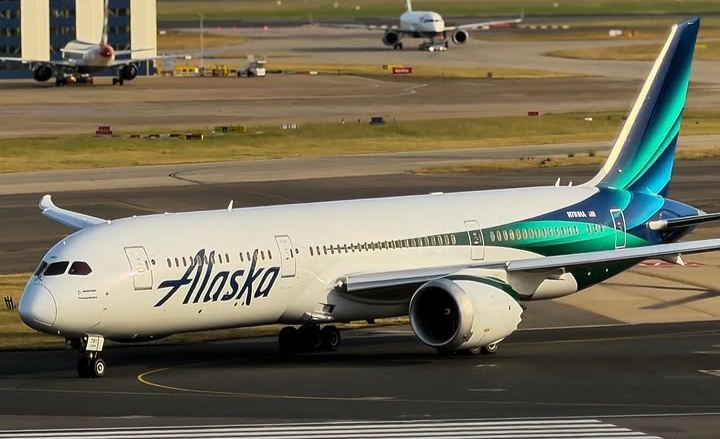
The incident has once again highlighted the importance of modern aviation safety systems and the strict emergency procedures followed by commercial airlines. While emergency declarations can sound alarming, aviation experts note that they are often precautionary measures designed to ensure the safest possible outcome.
Alaska Airlines Flight Declares Emergency
The Alaska Airlines Boeing 787-9 was operating a scheduled passenger service when the flight crew reported a technical concern to air traffic control. As a precaution, the pilots declared an emergency so they could receive priority handling from controllers and prepare for a safe landing.
Emergency declarations are standard aviation procedures whenever pilots believe additional assistance or immediate landing priority could improve safety. They do not necessarily mean that the aircraft is in immediate danger.
After receiving clearance, the aircraft diverted and landed safely at a suitable airport where emergency response teams were positioned as a precaution.
Safe Landing and Passenger Safety
The Boeing 787-9 completed its emergency landing without any major complications. Airport fire and rescue vehicles were standing by near the runway, which is a normal procedure whenever an aircraft declares an emergency.
Passengers were safely evacuated through normal exits after the aircraft came to a stop. There were no reports of injuries among passengers or crew members.
The airline arranged assistance for affected travelers, including rebooking options and customer support to help them continue their journeys.
What Caused the Emergency?
At the time of the incident, Alaska Airlines had not confirmed the exact cause of the emergency. Initial reports suggest that the crew experienced a technical issue that required additional caution.
Aviation authorities and airline maintenance teams are expected to inspect the aircraft thoroughly before it returns to service.
Possible reasons that can lead to precautionary emergency declarations include:
- Engine performance warnings
- Hydraulic system alerts
- Electrical system abnormalities
- Cabin pressurization concerns
- Flight control system indications
- Sensor or cockpit warning messages
It is important to note that these possibilities are general aviation scenarios and may not reflect the specific cause of this incident.
Boeing 787-9 Dreamliner Safety Features
The Boeing 787-9 Dreamliner is one of the world’s most advanced long-haul commercial aircraft. It features multiple backup systems designed to maintain safe operation even if one system experiences a fault.
Some key safety features include:
- Advanced flight management systems
- Multiple redundant hydraulic and electrical systems
- Sophisticated cockpit monitoring technology
- Modern navigation and communication equipment
- Real-time aircraft health monitoring
These technologies help pilots identify potential issues early and make informed decisions during flight.
Why Pilots Declare Emergencies
Many passengers assume an emergency declaration means a crash is likely, but that is rarely the case.
Pilots are trained to declare emergencies whenever they believe additional support will improve safety. Declaring an emergency allows air traffic controllers to:
- Provide direct routing to the nearest suitable airport.
- Clear other aircraft from the flight path.
- Prepare emergency vehicles before landing.
- Reduce delays during approach.
- Coordinate with airport rescue teams.
These procedures are designed to maximize safety rather than respond only to severe emergencies.
Alaska Airlines’ Safety Record
Alaska Airlines is one of the major U.S. carriers known for maintaining high operational and safety standards. Like other commercial airlines, it follows strict maintenance schedules approved by aviation regulators.
Aircraft are regularly inspected before departure, after landing, and during scheduled maintenance intervals. If a warning appears during flight, pilots follow detailed checklists before deciding whether an emergency declaration is necessary.
Commercial aviation remains one of the safest forms of transportation worldwide thanks to rigorous pilot training, aircraft maintenance, and oversight by aviation authorities.
What Happens After an Emergency Landing?
Once an aircraft completes an emergency landing, several steps typically follow:
- Maintenance engineers inspect the aircraft.
- Flight data and cockpit information are reviewed.
- Any faulty components are repaired or replaced.
- Regulatory agencies may review the event if necessary.
- The aircraft returns to service only after meeting all safety requirements.
Passengers are usually provided with alternative flights if the aircraft cannot continue its scheduled journey.
Passenger Reactions
Passengers on board described the landing as calm and professional. Many praised the flight crew for keeping everyone informed throughout the situation.
Cabin crew members are trained extensively for emergency situations and work closely with pilots to ensure passengers remain calm and follow safety instructions.
Experts often emphasize that the professionalism of airline crews plays a major role in maintaining passenger confidence during unexpected events.
Aviation Experts Stress Precaution
Industry experts frequently point out that emergency declarations are not uncommon in commercial aviation. Modern aircraft are equipped with sophisticated monitoring systems that detect irregularities early, allowing pilots to act before a situation becomes more serious.
The successful landing of the Alaska Airlines Boeing 787-9 demonstrates how established aviation procedures are designed to protect passengers and crew.

Final Thoughts
The Alaska Airlines Boeing 787-9 emergency ended safely thanks to the quick actions of the flight crew, coordinated support from air traffic controllers, and emergency personnel on the ground. Although the exact technical issue remains under investigation, the incident serves as another reminder that commercial aviation safety relies on careful decision-making, advanced aircraft technology, and well-rehearsed emergency procedures.
Passengers were able to leave the aircraft safely, and investigators will continue examining the event to determine the precise cause. Until official findings are released, the focus remains on the successful outcome and the effectiveness of the aviation industry’s comprehensive safety systems.
Alaska Airlines Boeing 787-9 is declaring an emergency off France coast, after U-turn over UK
Shakira in FIFA World Cup 2026 Halftime Show: Everything Fans Need to Know