
Introduction
New York City is experiencing changing weather conditions as heavy rain and thunderstorms move across the region. A flood watch has been issued for parts of the city and nearby areas, increasing the risk of flash flooding, travel delays, and waterlogged streets. Residents and visitors are advised to stay updated with the latest weather forecasts and prepare for possible disruptions.
Current Weather Situation in NYC
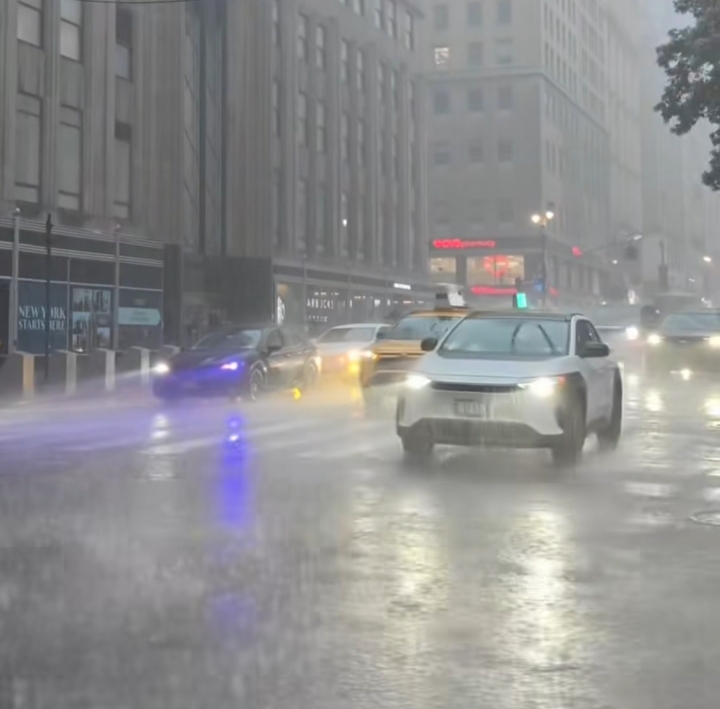
The latest weather forecast indicates that New York City is under the influence of a strong storm system bringing heavy rainfall, frequent thunderstorms, and humid conditions. While some neighborhoods may only receive light showers, others could experience intense downpours capable of causing localized flooding within a short period.
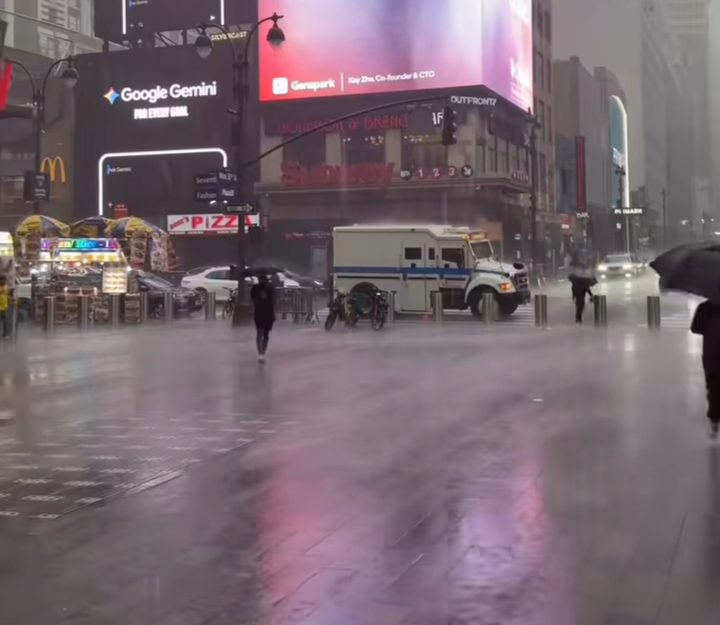
Warm temperatures combined with high humidity are creating ideal conditions for severe summer storms. These storms may also produce lightning, gusty winds, and reduced visibility.
What Does a Flood Watch Mean?
A flood watch means that weather conditions are favorable for flooding to develop. It does not mean flooding is already occurring, but residents should be prepared if conditions worsen.
Flooding can happen when:
- Heavy rain falls faster than drains can handle.
- Rivers and streams rise after continuous rainfall.
- Low-lying roads collect standing water.
- Urban drainage systems become overwhelmed.
A flood watch serves as an early warning so people can take precautions before dangerous conditions develop.
Areas Most at Risk
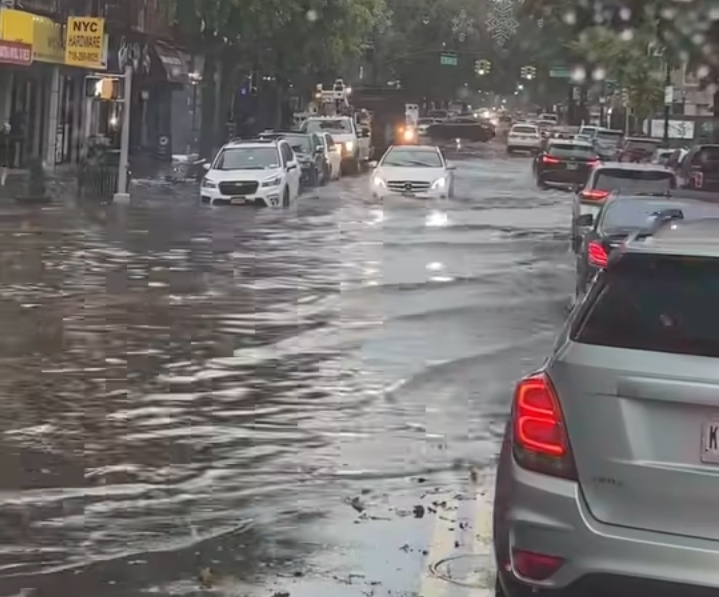
Although flooding can occur anywhere during intense rainfall, some locations face higher risks than others.
These include:
- Low-lying neighborhoods
- Basement apartments
- Roads with poor drainage
- Underpasses
- Subway entrances
- Parking lots
- Small streams and creeks
Urban areas like New York City are particularly vulnerable because concrete roads and buildings prevent rainwater from soaking into the ground.
Travel Conditions Across New York City
Heavy rain can significantly impact transportation throughout the city.
Drivers may experience:
- Reduced visibility
- Slippery roads
- Water-covered intersections
- Longer commute times
- Increased accident risks
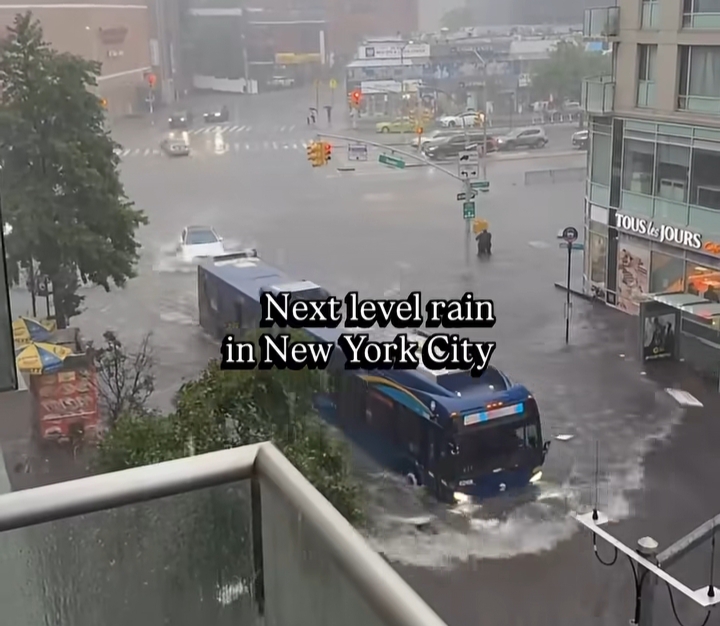
Public transportation may also be affected. Subway stations in lower elevations can experience water accumulation, while buses may run slower due to flooded streets and traffic congestion.
Travelers heading to airports should check flight schedules before leaving, as thunderstorms can cause delays.
Safety Tips for Drivers
Driving during heavy rain requires extra caution.
Remember to:
- Slow down on wet roads.
- Keep a safe distance from other vehicles.
- Turn on headlights.
- Never drive through flooded streets.
- Avoid sudden braking or sharp turns.
- Watch for fallen branches and debris.
Hydroplaning becomes much more likely when roads are covered with water.
Safety Tips for Pedestrians
Walking during severe weather also requires care.
If you’re outdoors:
- Wear waterproof footwear.
- Stay away from flooded sidewalks.
- Avoid walking through standing water.
- Seek shelter immediately if lightning begins.
- Stay away from trees and utility poles during storms.
Always remember the saying: “When thunder roars, go indoors.”
Impact on Daily Life
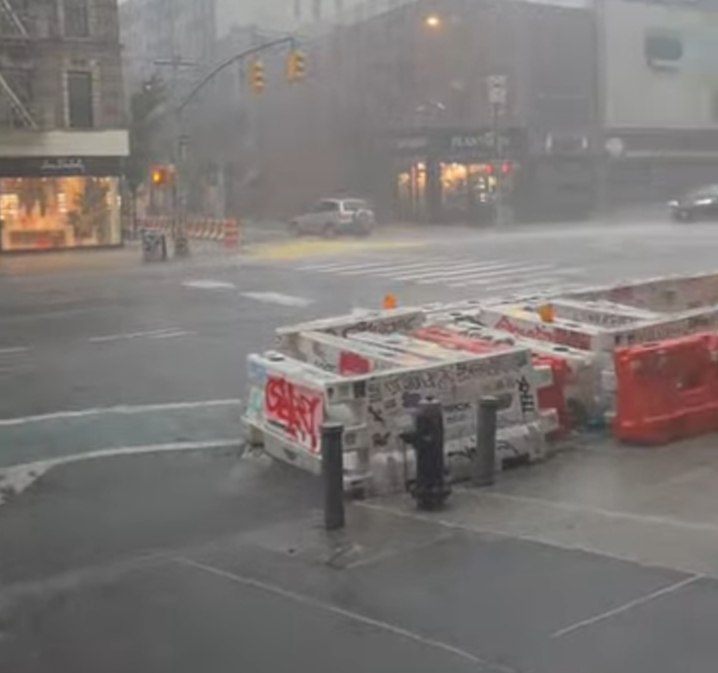
Stormy weather can disrupt many everyday activities in New York City.
Possible impacts include:
- Delayed public transportation
- School activity changes
- Outdoor event cancellations
- Construction delays
- Slower food deliveries
- Business interruptions
Restaurants with outdoor seating and tourist attractions may temporarily suspend operations during severe weather.
Why NYC Floods Quickly
New York City has thousands of miles of roads, sidewalks, and buildings that prevent rainwater from naturally soaking into the ground.
During intense rainfall:
- Storm drains fill rapidly.
- Water collects on streets.
- Underground transit stations may experience leaks.
- Small streams overflow.
- Flood-prone intersections become hazardous.
Even neighborhoods that rarely flood can experience temporary water accumulation after heavy downpours.
Emergency Preparedness
Residents should prepare before storms arrive.
Helpful preparations include:
- Charging mobile phones.
- Keeping flashlights ready.
- Storing drinking water.
- Preparing emergency supplies.
- Monitoring local weather alerts.
- Knowing evacuation routes if necessary.
Families living in basement apartments should remain especially alert during prolonged rainfall.
Visitors Should Plan Ahead
Tourists planning to visit New York City’s famous attractions should monitor weather conditions before heading out.
Popular destinations affected by heavy rain include:
- Times Square
- Central Park
- Statue of Liberty
- Brooklyn Bridge
- Empire State Building
- Fifth Avenue
Carrying a rain jacket or umbrella can help avoid unexpected weather disruptions.
Climate Change and Extreme Rainfall
Scientists have observed an increase in extreme rainfall events across many parts of the United States. While no single storm can be directly linked to climate change, warmer temperatures allow the atmosphere to hold more moisture, increasing the potential for heavier rainfall.
As a result, New York City continues investing in:
- Improved drainage systems
- Flood protection projects
- Emergency response planning
- Infrastructure upgrades
These efforts aim to reduce the impact of future storms.
How to Stay Updated
Weather conditions can change quickly.
Residents should:
- Check local weather forecasts regularly.
- Enable emergency weather alerts on smartphones.
- Follow official city advisories.
- Avoid unnecessary travel during severe storms.
- Monitor flood warnings if heavy rain continues.
Staying informed is one of the best ways to remain safe.
Conclusion
New York City’s weather can change rapidly, especially during the summer thunderstorm season. With a flood watch in effect, residents and visitors should remain alert, prepare for heavy rainfall, and avoid flooded areas whenever possible. Although not every neighborhood will experience severe flooding, taking precautions early can help prevent accidents and ensure everyone’s safety. By staying informed and following official weather guidance, New Yorkers can safely navigate changing weather conditions until the storms pass.