
One of Japan’s most treasured historical landmarks, Kumamoto Castle, has reportedly suffered fresh structural damage following a major earthquake that struck Kumamoto Prefecture. The powerful quake shook buildings across the region, triggered emergency inspections, and raised concerns about the preservation of one of the country’s most iconic castles.
\
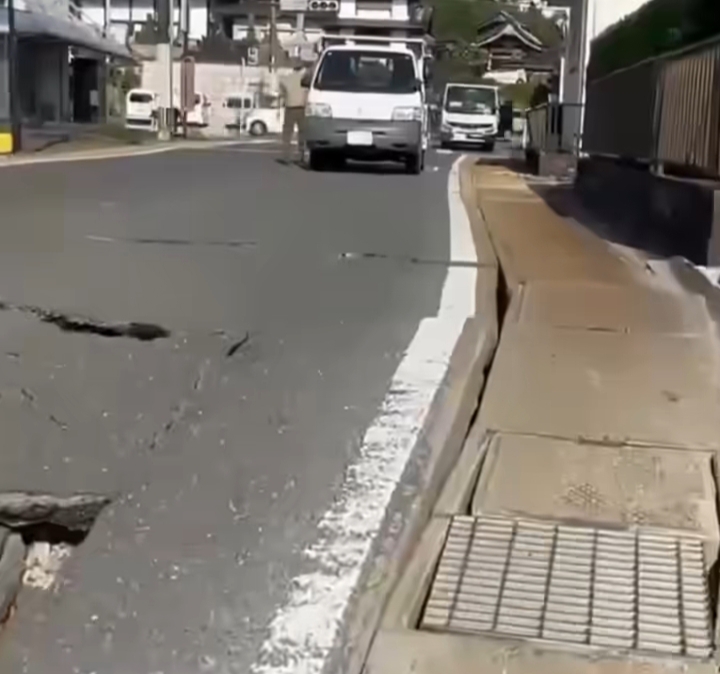
Authorities immediately launched safety assessments while emergency responders checked for injuries and infrastructure damage. Although modern Japan is well-prepared for earthquakes, historic buildings remain especially vulnerable to powerful seismic activity.
The latest earthquake has once again highlighted the ongoing challenge of protecting centuries-old cultural heritage from natural disasters.
Powerful Earthquake Rocks Kumamoto Region
The earthquake struck the Kumamoto area with strong shaking that was felt across much of Kyushu. Residents reported violent tremors lasting several seconds, forcing thousands to evacuate homes, offices, schools, and shopping centres.
Public transportation experienced temporary disruptions while rail operators inspected tracks for possible damage. Airports continued monitoring operations, and local authorities urged residents to remain alert for aftershocks.
Emergency alerts were sent through Japan’s nationwide warning system, advising people to move away from unstable buildings and prepare for additional seismic activity.
The Japan Meteorological Agency quickly began analysing the earthquake’s magnitude, depth, and possible aftershock sequence.
Kumamoto Castle Among the Most Affected Historic Sites
Kumamoto Castle is one of Japan’s most famous feudal castles and a symbol of the city. Initial inspections indicate that parts of the castle complex sustained new damage during the earthquake.
Reports suggest that inspectors found:
- Fallen roof tiles
- Cracks in several stone walls
- Damage to historical structures
- Loose masonry requiring immediate inspection
- Restricted access to some areas for public safety
Officials have temporarily closed sections of the castle while engineers conduct detailed structural assessments.
Because the castle has undergone years of restoration following previous earthquakes, experts are now evaluating whether recent repairs were affected by the latest seismic event.
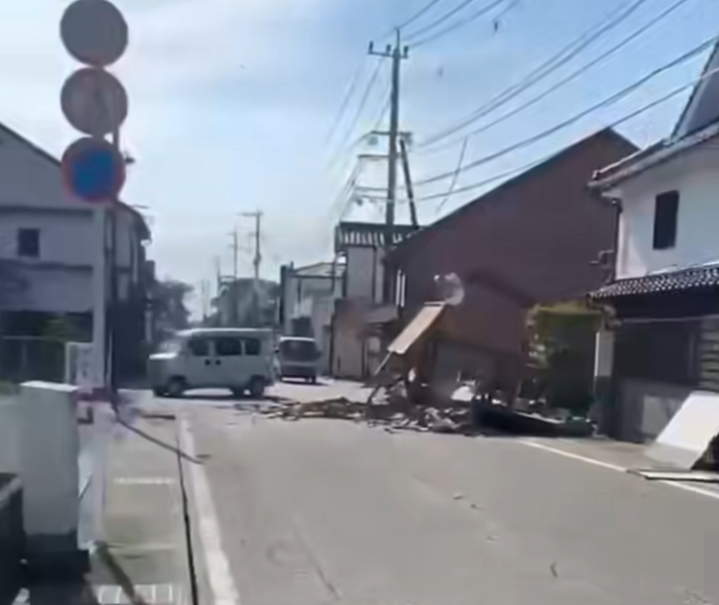
A Castle That Has Endured Centuries
Originally built in the early 17th century, Kumamoto Castle has survived wars, fires, and numerous natural disasters.
The fortress is famous for:
- Massive defensive stone walls
- Elegant black exterior
- Impressive wooden architecture
- Historic watchtowers
- Traditional Japanese gardens
Millions of visitors travel to Kumamoto each year to experience its unique blend of military history and traditional Japanese architecture.
The castle remains one of Japan’s three premier castles alongside Himeji Castle and Matsumoto Castle.
Memories of the 2016 Kumamoto Earthquake
The latest earthquake inevitably brings back memories of the devastating 2016 Kumamoto earthquakes, which caused severe destruction throughout the region.
During that disaster:
- Historic stone walls collapsed.
- Roof sections were destroyed.
- Towers suffered extensive structural damage.
- Thousands of residents were displaced.
- Restoration efforts continued for years.
Following the 2016 disaster, engineers combined traditional craftsmanship with modern earthquake-resistant technologies to restore many sections of the castle.
The new damage has renewed concerns about preserving the site for future generations.

Engineers Begin Immediate Structural Assessment
Teams of engineers, historians, and preservation specialists quickly arrived at Kumamoto Castle following the earthquake.
Their inspection includes:
Stone Walls
The castle’s distinctive stone walls require detailed examination because even small shifts can eventually lead to collapse during future earthquakes.
Roof Structures
Traditional roof tiles are inspected for displacement or cracks that may threaten visitors or weaken underlying wooden supports.
Wooden Framework
Experts examine beams and support columns for signs of movement or hidden structural damage.
Foundations
Ground movement beneath the castle can affect overall stability, making foundation inspections a critical part of the assessment process.
Public Safety Takes Priority
Local authorities have prioritised visitor safety while inspections continue.
Officials have:
- Closed potentially dangerous sections
- Installed temporary barriers
- Increased security patrols
- Conducted drone inspections
- Monitored aftershock activity
Tourists are advised to follow official guidance and avoid entering restricted areas until inspections are complete.

Emergency Response Across Kumamoto
Beyond the castle, emergency services have been working throughout Kumamoto Prefecture to assess broader damage.
Response efforts include:
- Road inspections
- Bridge evaluations
- Railway safety checks
- Hospital readiness
- Utility restoration
- Shelter preparation
Japan’s disaster response system remains among the world’s most advanced, allowing authorities to mobilise rapidly following major earthquakes.
Why Historic Buildings Face Greater Risk
Unlike modern reinforced concrete buildings, historic structures often rely on traditional construction techniques.
Challenges include:
Age
Centuries-old materials naturally weaken over time despite careful maintenance.
Heavy Roofs
Traditional tiled roofs increase structural weight during intense ground shaking.
Stone Foundations
Massive stone walls can shift independently during earthquakes.
Preservation Restrictions
Engineers must carefully balance modern safety improvements with maintaining historical authenticity.
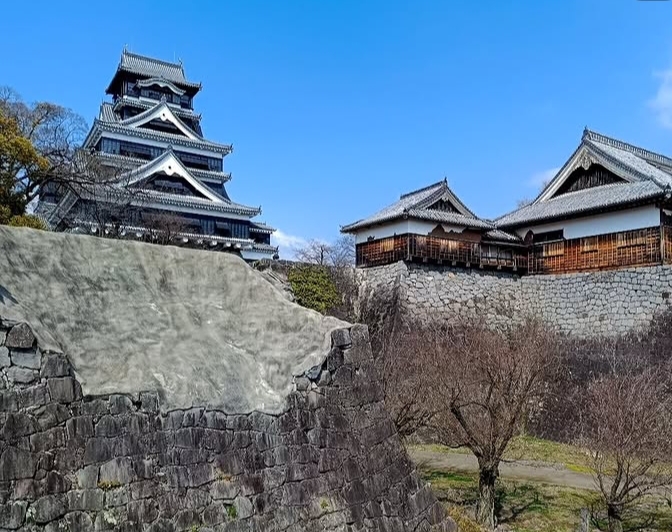
Tourism May Be Temporarily Affected
Kumamoto Castle is one of Kyushu’s leading tourist attractions.
Temporary closures could affect:
- Guided tours
- School educational visits
- International tourism
- Local businesses
- Seasonal festivals
Hotels, restaurants, souvenir shops, and transport operators near the castle often experience increased visitor traffic, making the site an important contributor to the regional economy.
Authorities hope inspections can be completed quickly while ensuring public safety.
Japan’s Expertise in Earthquake Engineering
Japan is recognised globally for its advanced earthquake engineering and disaster preparedness.
Modern technologies include:
- Seismic isolation systems
- Flexible structural supports
- Early warning networks
- Real-time monitoring sensors
- Advanced building standards
These innovations have significantly reduced casualties during many recent earthquakes.
Historic preservation projects increasingly incorporate earthquake-resistant techniques that remain visually faithful to the original architecture.
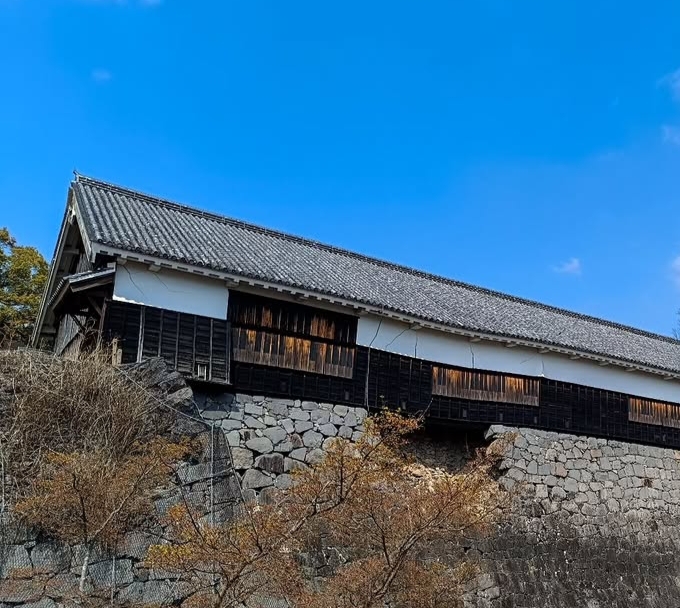
Community Support and Cultural Significance
For local residents, Kumamoto Castle represents much more than a tourist attraction.
It symbolises:
- Regional identity
- Cultural heritage
- Historical resilience
- Community pride
- National history
Following news of the latest damage, many residents expressed hope that restoration teams would once again preserve the castle for future generations.
Volunteer groups and cultural organisations have also pledged support for future conservation efforts if required.
The Long Road to Restoration
If engineers determine that repairs are necessary, restoration could involve several stages.
These may include:
- Detailed structural surveys
- Historical documentation
- Stone-by-stone reconstruction where needed
- Roof restoration
- Reinforcement using modern engineering methods
- Final safety certification
Japanese restoration projects often combine centuries-old craftsmanship with state-of-the-art engineering to preserve historical authenticity.
Earthquake Preparedness Remains Essential
Japan’s experience demonstrates the importance of constant disaster preparedness.
Experts encourage residents to:
- Prepare emergency kits
- Secure heavy furniture
- Learn evacuation routes
- Keep mobile phones charged
- Follow official emergency information
- Remain alert for aftershocks
Preparedness significantly reduces risks during major earthquakes.
Looking Ahead
Although the latest earthquake has caused fresh concern over the condition of Kumamoto Castle, experts remain optimistic that careful inspections and restoration efforts can protect this remarkable landmark.
The castle has survived countless challenges over more than four centuries. With Japan’s world-renowned engineering expertise and commitment to cultural preservation, restoration teams are expected to carefully assess every section before reopening affected areas.
For now, safety remains the highest priority as engineers continue evaluating the full extent of the damage. Visitors and residents alike hope that Kumamoto Castle will once again stand as a powerful symbol of resilience, history, and the enduring spirit of Japan.
Japan earthquake deaths rise to 13 as rescuers race to find people trapped in mall