
Introduction
Few public figures have remained at the center of political debate as long as Dr. Anthony Fauci. Even after leaving public office, his role during the COVID-19 pandemic continues to spark investigations, hearings, and intense political discussion in Washington.
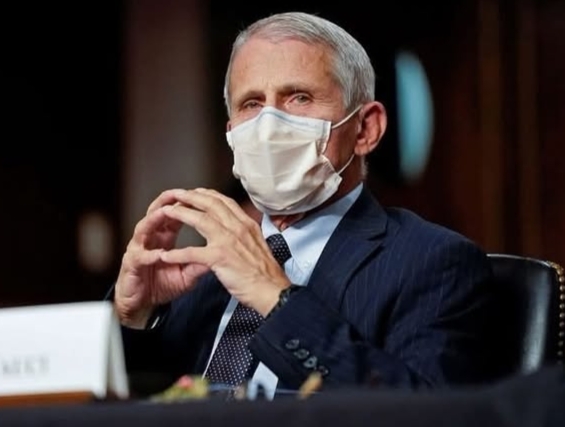
Recently, questions have been raised about whether lawmakers could move toward holding Dr. Fauci in contempt of Congress. While no final outcome has been reached, the possibility has generated widespread interest among Americans who want to understand how the process works and what could happen next.
If Congress were to pursue contempt proceedings, the process would involve several legal and political steps before any final decision is made. It is important to remember that discussions about contempt are not the same as a finding of guilt, and every individual is entitled to legal protections throughout the process.
This article explains what contempt of Congress means, why it is used, how the process works, and what potential outcomes could follow if lawmakers decide to take that path.
What Is Contempt of Congress?
Contempt of Congress is a legal mechanism used when Congress believes that an individual has failed to cooperate with a lawful investigation.
This can involve situations where someone:
- Refuses to comply with a congressional subpoena.
- Declines to provide requested documents.
- Refuses to testify without legal justification.
- Provides information that lawmakers believe is intentionally misleading.
Congress has investigative powers because it oversees federal agencies and examines matters involving public policy and government operations. When those investigations are obstructed, lawmakers sometimes consider contempt proceedings.
However, contempt is not automatic. Congress typically explores negotiations and voluntary cooperation before considering stronger action.
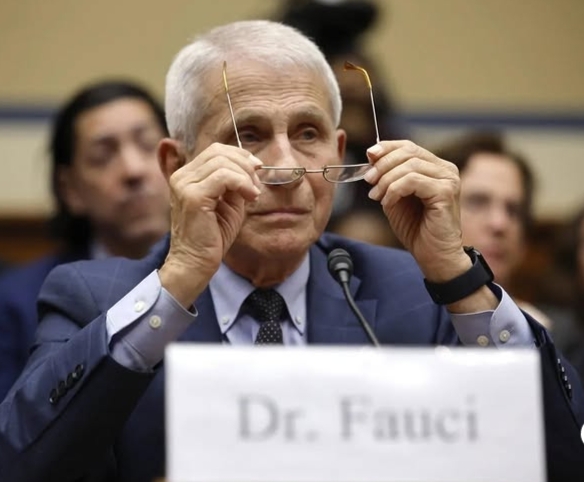
Why Is Fauci Being Discussed?
Dr. Anthony Fauci served for decades as one of America’s leading infectious disease experts. During the COVID-19 pandemic, he became one of the most recognized public health officials in the country.
Supporters argue that he helped guide the nation through an unprecedented health emergency using available scientific evidence.
Critics, however, have questioned several aspects of the federal pandemic response, including:
- Public health recommendations
- Government communication
- Funding of scientific research
- Laboratory safety questions
- Pandemic decision-making
Because of these ongoing debates, congressional committees have continued reviewing documents and testimony connected to the pandemic.
Some lawmakers believe additional answers are necessary, while others argue that Dr. Fauci has already testified extensively before Congress over several years.
What Would Trigger Contempt Proceedings?
Congress generally does not begin contempt proceedings without first issuing requests for information.
The process often begins with:
- Letters requesting records
- Formal document requests
- Invitations to testify
- Congressional subpoenas
If lawmakers believe those requests are ignored without sufficient legal justification, they may consider contempt.
Whether contempt is appropriate often depends on the specific facts, legal arguments, and committee findings.

Types of Congressional Contempt
Congress has several methods available if it believes someone has failed to cooperate.
1. Criminal Contempt
This is the option most people recognize.
If the House or Senate votes to hold someone in criminal contempt, the matter may be referred to the U.S. Department of Justice.
Federal prosecutors then decide whether criminal charges should be pursued.
Importantly, Congress itself does not determine criminal guilt.
2. Civil Enforcement
Congress can also ask a federal court to enforce a subpoena.
Rather than pursuing criminal penalties, this approach focuses on requiring compliance with congressional requests.
Courts may review:
- Whether the subpoena is valid
- Whether Congress acted within its authority
- Whether legal privileges apply
This process can take months or even years.
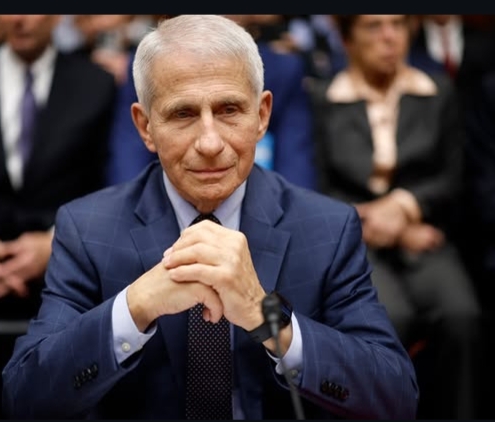
3. Inherent Contempt
Historically, Congress possessed its own enforcement authority.
Although rarely used in modern times, inherent contempt theoretically allows Congress to compel compliance through its own institutional powers.
Today, this method is considered highly unusual.
What Happens If Congress Votes for Contempt?
If a committee recommends contempt, several additional steps usually follow.
Committee Vote
Members of the committee debate the evidence.
If approved, the recommendation moves to the full chamber.
Full House or Senate Vote
The entire House or Senate considers whether to approve the contempt resolution.
This debate often attracts significant public attention because lawmakers publicly explain their positions.
Referral or Court Action
Depending on the type of contempt, Congress may:
- Refer the matter for criminal review
- File a civil lawsuit
- Pursue another legal avenue
At each stage, additional legal review occurs.
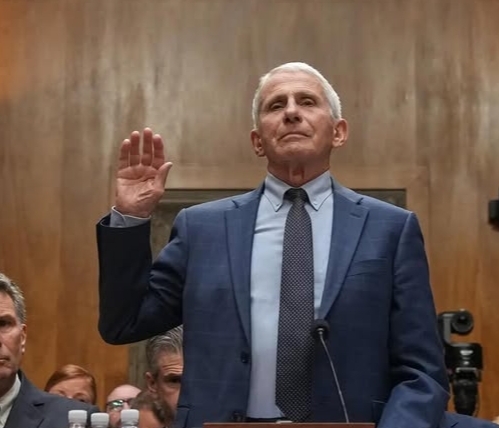
Could Fauci Be Criminally Charged?
A contempt referral does not automatically result in criminal charges.
Federal prosecutors independently evaluate:
- Available evidence
- Applicable laws
- Constitutional questions
- Department of Justice policies
- Likelihood of successful prosecution
They may decide to proceed, decline prosecution, or request additional information.
Therefore, even if Congress votes for contempt, criminal charges are not guaranteed.
What Legal Defenses Could Be Raised?
Anyone facing congressional contempt has the right to present legal arguments.
Possible defenses can include:
Constitutional Rights
Lawyers may argue that certain constitutional protections apply.
Executive or Government Privileges
Questions sometimes arise over whether specific government communications are protected.
Scope of Congressional Authority
Attorneys may challenge whether Congress requested information within its lawful investigative powers.
Good Faith Cooperation
If someone has produced documents, appeared voluntarily, or negotiated with investigators, attorneys may argue that contempt is inappropriate.
Every case depends on its own facts.
The Political Impact
Regardless of legal outcomes, contempt proceedings often carry major political consequences.
Supporters of congressional investigations may argue that accountability is necessary for public trust.
Opponents may view the proceedings as politically motivated or unnecessary.
Because Dr. Fauci became such a prominent figure during the pandemic, reactions remain deeply divided across the political spectrum.
The issue extends beyond one individual and reflects broader disagreements about pandemic policy, government transparency, and scientific decision-making.
Public Opinion Remains Divided
Americans continue to hold different opinions about Dr. Fauci.
Some believe:
- He relied on evolving scientific evidence.
- Difficult decisions had to be made during an emergency.
- Public health recommendations changed as new information became available.
Others believe:
- Government officials should answer additional questions.
- Pandemic policies deserve greater scrutiny.
- More transparency is needed regarding research and decision-making.
These differing perspectives help explain why congressional investigations continue attracting national attention.
Could Court Battles Follow?
If legal disputes arise, federal courts may become involved.
Judges could review issues such as:
- Congressional authority
- Subpoena validity
- Constitutional protections
- Executive privilege claims
- Enforcement procedures
Court proceedings can significantly extend the timeline before any final resolution.
Appeals may follow, making the process even longer.
Why This Case Matters
The broader significance goes beyond one individual.
Congressional oversight plays an important role in the American system of government by examining how federal agencies operate and ensuring accountability.
At the same time, witnesses appearing before Congress retain legal rights and protections under the Constitution.
Balancing congressional oversight with individual legal protections is often one of the most challenging aspects of high-profile investigations.
The outcome of any future proceedings involving Dr. Fauci could influence how Congress conducts oversight in future administrations and how public officials respond to investigative requests.
What Happens Next?
If lawmakers continue examining pandemic-related issues, several possibilities remain.
Congress could:
- Continue gathering documents.
- Hold additional hearings.
- Seek voluntary cooperation.
- Issue further subpoenas if necessary.
- Decide against pursuing contempt.
- Recommend contempt proceedings if it concludes legal standards have been met.
Any such decision would likely face public debate and, potentially, judicial review.
Because congressional investigations often evolve over time, developments may occur gradually rather than all at once.
Final Thoughts
Discussions about possible contempt of Congress involving Dr. Anthony Fauci remain part of a larger national conversation about pandemic oversight, government accountability, and public trust.
It is important to distinguish between political debate, congressional investigations, and actual legal findings. A proposal to pursue contempt does not itself establish wrongdoing, nor does it automatically lead to criminal penalties. Multiple procedural steps, legal reviews, and potential court challenges would likely occur before any final outcome.
As Congress continues its oversight efforts, Americans can expect ongoing discussion from lawmakers, legal experts, and public health officials. Whatever happens next, the process will be closely watched because it touches on fundamental questions about transparency, oversight, and the balance of powers within the U.S. government.
The coming months will determine whether the discussion remains political or develops into formal legal action. Until then, any reports about potential contempt proceedings should be understood as part of an evolving process rather than a concluded case.
Fauci to face contempt vote after refusing to answer
RIP Glen Hansard: Oscar-Winning Singer Behind “Falling Slowly” Passes Away at 56