
Introduction
Since becoming the King of the United Kingdom, King Charles III has taken on one of the most important public roles in the world. Although the British monarch does not govern the country or make political decisions, the King plays a vital constitutional, ceremonial, and charitable role. Charles III represents the nation at home and abroad while continuing a long tradition of public service that has existed for centuries.
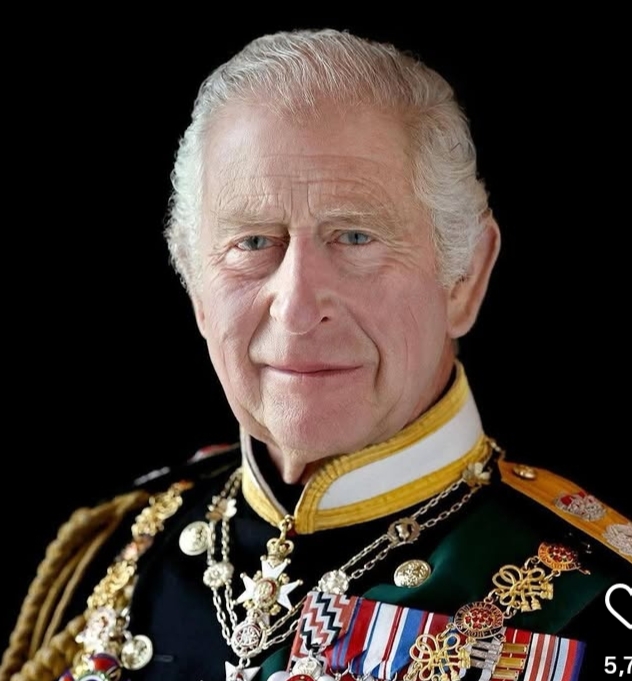
Before becoming King, Charles spent more than five decades preparing for the position as the Prince of Wales. During that time, he supported hundreds of charities, promoted environmental causes, and represented the Royal Family at countless public events. Now, as monarch, his responsibilities have grown even larger.
This article explains the main royal duties and responsibilities of King Charles III and why they remain important in modern Britain.
Becoming the King
King Charles III became monarch after the death of his mother, Queen Elizabeth II, in September 2022. Her reign lasted more than 70 years, making her the longest-serving British monarch in history. Charles inherited the throne immediately and began carrying out his new responsibilities.
As King, he serves as the Head of State of the United Kingdom and also represents several Commonwealth nations. His role is based on constitutional traditions that have developed over many generations.
Acting as the Head of State
One of the King’s most important duties is serving as the official Head of State. While the Prime Minister and Parliament make political decisions, the King performs constitutional functions that support the democratic system.
These responsibilities include:
- Appointing the Prime Minister after a general election.
- Officially opening each new session of Parliament.
- Giving Royal Assent to laws passed by Parliament.
- Meeting government ministers regularly.
- Receiving ambassadors from other countries.
- Representing the nation during important state occasions.
Although these duties are largely ceremonial, they remain an essential part of Britain’s constitutional system.
Weekly Meetings with the Prime Minister
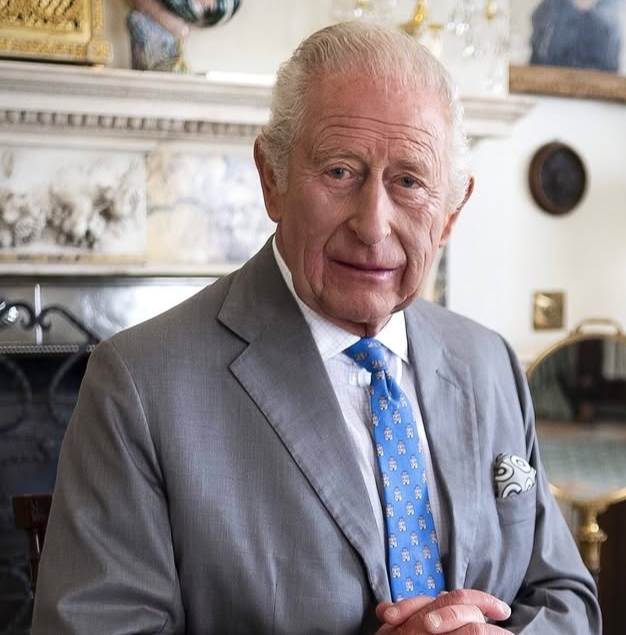
King Charles III meets the British Prime Minister every week. These private meetings allow the Prime Minister to update the King about government affairs and important national issues.
The King listens carefully, offers advice based on experience, and asks questions when necessary. However, these discussions remain confidential, and the monarch does not publicly express political opinions.
Remaining politically neutral is one of the most important responsibilities of the British monarch.
Representing the United Kingdom Around the World
Another major responsibility of King Charles III is representing Britain internationally.
The King welcomes foreign presidents, kings, queens, and diplomats during official state visits. He also travels overseas to strengthen diplomatic relationships and celebrate partnerships with other countries.
These visits help improve international cooperation in areas such as:
- Trade
- Culture
- Education
- Environmental protection
- Scientific research
Royal diplomacy often creates goodwill between nations even when governments change.
Supporting the Commonwealth
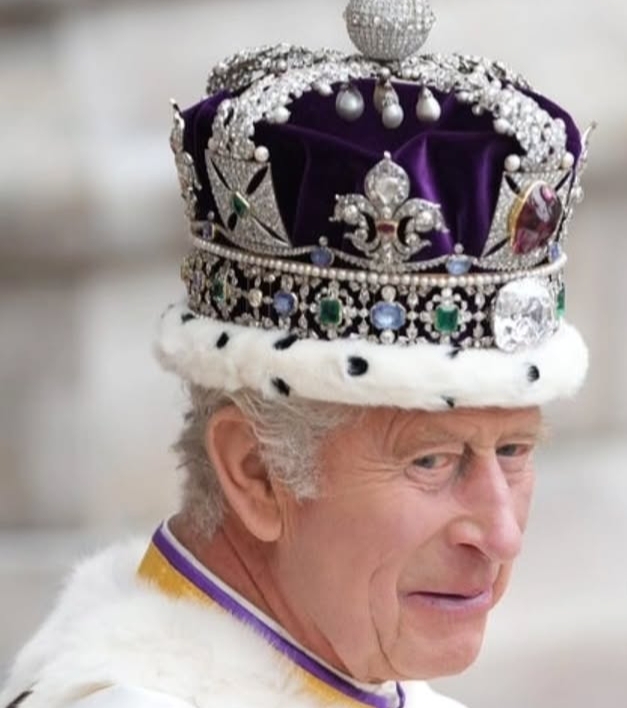
King Charles III also serves as the Head of the Commonwealth, a voluntary association of more than 50 independent countries across Africa, Asia, Europe, the Caribbean, and the Pacific.
The Commonwealth promotes:
- Democracy
- Human rights
- Education
- Economic development
- Youth opportunities
- Environmental cooperation
The King regularly attends Commonwealth meetings and encourages member nations to work together on shared challenges.
Leading National Ceremonies
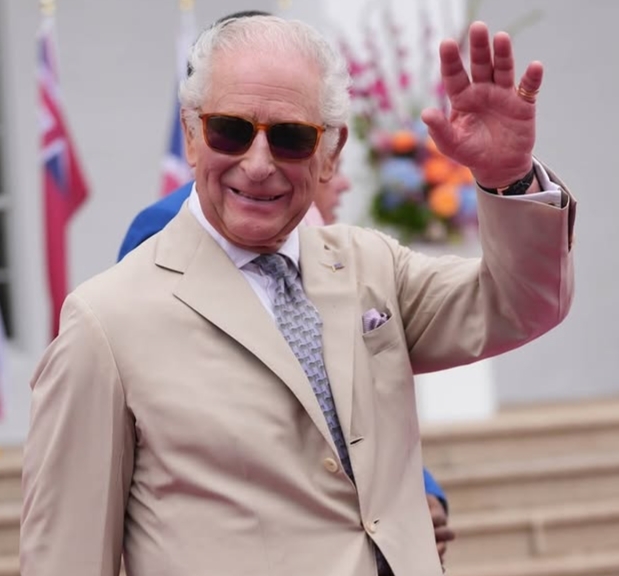
Royal ceremonies remain an important part of British culture, and King Charles III plays the leading role in many of them.
These events include:
State Opening of Parliament
The King formally opens Parliament each year by delivering the King’s Speech, which outlines the government’s planned legislation.
Remembrance Events
Each November, the King honors members of the armed forces who lost their lives during wars and military service.
National Celebrations
The King participates in celebrations such as Trooping the Colour, national anniversaries, and important royal events.
These ceremonies help preserve Britain’s traditions while bringing people together.
Meeting the Public
Public engagement is another key responsibility of King Charles III.
Every year, the King attends hundreds of official events across the United Kingdom.
He visits:
- Schools
- Hospitals
- Community organizations
- Military bases
- Businesses
- Museums
- Cultural festivals
These visits allow the King to recognize achievements, encourage volunteers, and learn about local communities.
Many people see these appearances as an opportunity to celebrate local success and national pride.
Supporting Charities
Long before becoming King, Charles was known for his charity work.
Over the years, he has supported hundreds of charitable organizations working in areas including:
- Youth development
- Education
- Health
- Environmental conservation
- Arts and culture
- Sustainable farming
- Community development
Although becoming King has changed some of his responsibilities, charitable work remains a central part of his public life.
His long commitment to helping communities continues to influence many organizations across Britain and beyond.
Promoting Environmental Protection
Environmental issues have been one of King Charles III’s biggest interests for decades.
Long before climate change became a global priority, Charles spoke about:
- Protecting forests
- Reducing pollution
- Sustainable agriculture
- Renewable energy
- Wildlife conservation
As King, he continues encouraging responsible environmental practices while respecting his politically neutral role.
Many people view him as one of the earliest public figures to consistently raise awareness about environmental challenges.
Supporting the Armed Forces
The King is closely connected with the British Armed Forces.
He serves as the ceremonial head of several military regiments and regularly attends military events.
His responsibilities include:
- Visiting military bases
- Meeting service members
- Honoring veterans
- Attending remembrance ceremonies
- Presenting military awards
These duties recognize the service and sacrifices made by members of the armed forces.
Recognizing Outstanding Achievements
King Charles III also presents national honors to people who have made significant contributions to society.
These honors recognize achievements in fields such as:
- Science
- Medicine
- Education
- Sports
- Business
- Arts
- Charity work
- Public service
Award ceremonies held at royal residences celebrate individuals whose work has positively impacted the country.
Maintaining Royal Traditions
The British monarchy is built on centuries of tradition.
King Charles III helps preserve these customs while also adapting the monarchy to modern society.
He balances:
- Historical ceremonies
- Public expectations
- Modern communication
- Community engagement
- International representation
This balance helps ensure the monarchy remains relevant in today’s world.
Challenges Facing King Charles III
Being King also brings many challenges.
Charles III leads the monarchy during a period of changing public expectations.
Some of the issues include:
- Modernizing royal traditions.
- Maintaining public trust.
- Managing the Royal Family’s public image.
- Supporting younger generations.
- Addressing environmental concerns.
- Representing Britain in a rapidly changing world.
Balancing tradition with modernization is one of the defining responsibilities of his reign.
Looking Ahead
King Charles III has emphasized service throughout his public life. His reign is expected to continue focusing on community support, environmental sustainability, cultural heritage, and strengthening international relationships.
While the monarchy continues to evolve, the King’s role remains centered on stability, continuity, and public service.
Future generations will likely judge his reign by how successfully he combines centuries-old traditions with the needs of modern society.
Conclusion
Charles III’s Royal Duties and Responsibilities extend far beyond ceremonial appearances. As King, he serves as the constitutional Head of State, represents the United Kingdom around the world, supports charities, promotes environmental awareness, honors military service, and strengthens relationships across the Commonwealth.
Although political power rests with elected leaders, the King provides continuity, national unity, and symbolic leadership. His decades of preparation before ascending the throne have shaped his approach to public service, and his reign continues the long-standing tradition of the British monarchy while adapting to the challenges of the twenty-first century.