
Introduction
SpaceX has become one of the most talked-about private companies in the world. Led by billionaire entrepreneur Elon Musk, the aerospace giant has transformed the space industry with reusable rockets, satellite internet through Starlink, and ambitious plans to send humans to Mars. Because of its remarkable achievements, investors have been eager to own a piece of the company.
Recently, however, reports of SpaceX’s private market valuation falling from its previous highs have sparked debate among investors. Some see this decline as a temporary correction and a buying opportunity, while others believe it could be a warning sign about the company’s future valuation.
So, should investors be worried, or is this simply another chance to invest in one of the world’s most innovative companies? Let’s take a closer look.
Recently, SpaceX has found itself in the spotlight once again as its stock price dropped significantly from its previous high. While such a decline has made some investors nervous, others believe it could be a chance to buy into one of the world’s most innovative companies at a lower price. With SpaceX continuing to expand Starlink, launch more rockets, and invest in future space missions, the big question remains: Is this decline just a temporary setback, or does it signal deeper concerns? In this article, we’ll look at the reasons behind the fall and what it could mean for investors going forward.
Why Has SpaceX’s Valuation Declined?
Unlike publicly traded companies, SpaceX is privately owned. Its share price is determined through private funding rounds and secondary market transactions rather than stock exchanges.
Several factors have contributed to the recent decline in valuation.
1. High Interest Rates
Over the past few years, higher global interest rates have reduced investor appetite for high-growth companies. Investors have become more cautious and now demand stronger profitability instead of future growth promises.
Technology companies, especially private firms with premium valuations, have been affected the most.
2. Private Market Corrections
Private company valuations often experience corrections after periods of rapid growth.
SpaceX reached extremely high valuations during strong investment cycles. As market conditions normalized, investors reassessed how much they were willing to pay for shares.
Such corrections are common and do not necessarily indicate business weakness.
3. Liquidity Concerns
Unlike publicly traded stocks, SpaceX shares cannot be bought or sold freely.
Limited liquidity means fewer buyers and sellers, causing prices to fluctuate significantly whenever private transactions occur.
Is SpaceX Still Growing?
Despite valuation concerns, SpaceX continues to expand across multiple business segments.
The company remains the global leader in commercial rocket launches.
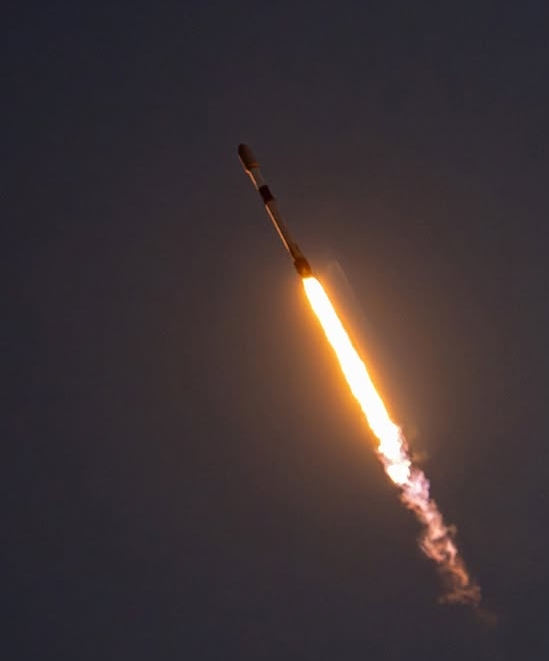
Its Falcon 9 rocket continues to dominate the launch industry due to its reusable design, significantly lowering launch costs.
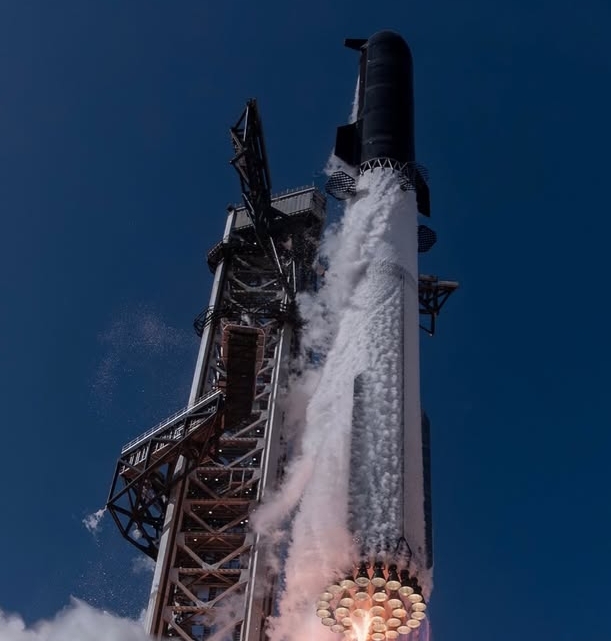
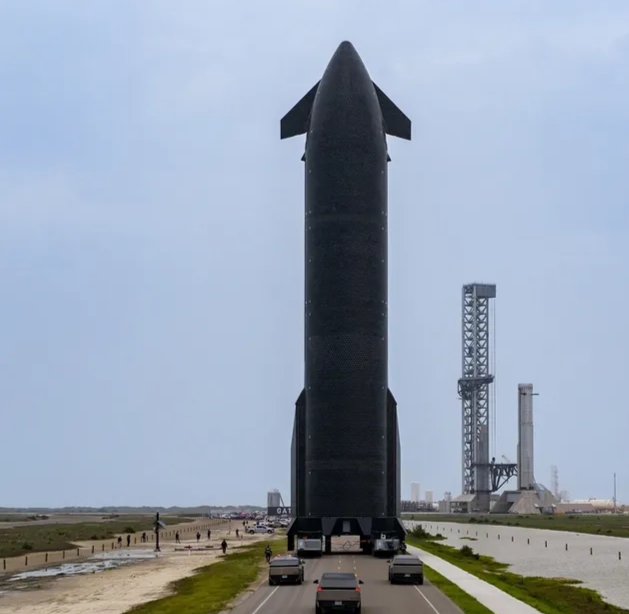
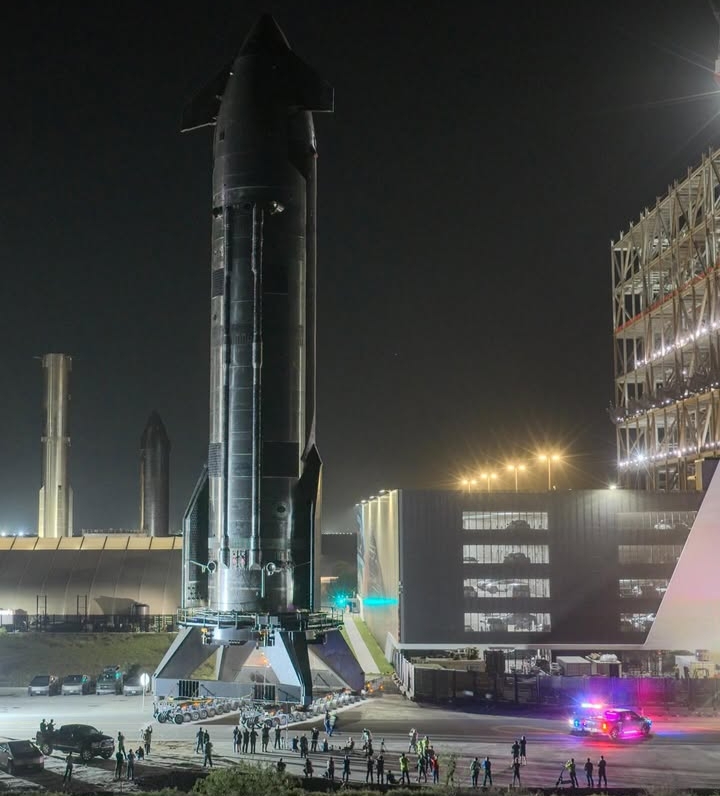
Meanwhile, Starship remains under active development and could completely reshape space transportation if successful.
Starlink Remains a Massive Growth Driver
One of SpaceX’s most valuable assets is Starlink.
The satellite internet network now serves millions of customers worldwide, especially in remote regions where traditional broadband is unavailable.
Starlink generates recurring subscription revenue, making SpaceX less dependent on launch contracts.
Many analysts believe Starlink alone could eventually become one of the world’s largest telecommunications businesses.
Government Contracts Provide Stability
SpaceX has secured billions of dollars in contracts from NASA and the U.S. Department of Defense.
These long-term agreements provide steady revenue regardless of economic conditions.
Government partnerships also strengthen investor confidence since they demonstrate trust in SpaceX’s technology and reliability.
The Role of Starship
Starship represents both SpaceX’s biggest opportunity and its biggest risk.
If successful, Starship could dramatically reduce the cost of sending cargo and humans into space.
Potential applications include:
- Lunar missions
- Mars exploration
- Satellite deployment
- Global cargo transportation
- Space tourism
However, Starship development is expensive and technically challenging.
Any delays or failures could temporarily impact investor confidence.
Why Some Investors See a Buying Opportunity
Many long-term investors believe valuation declines create attractive entry points.
Several reasons support this view.
Strong Industry Leadership
SpaceX has few direct competitors capable of matching its launch capabilities.
Its reusable rocket technology gives the company a significant competitive advantage.
Diversified Revenue Sources
Unlike many aerospace companies, SpaceX earns money from multiple businesses:
- Commercial launches
- Government missions
- Starlink subscriptions
- Defense contracts
- Future Starship services
This diversified business model reduces overall risk.
Long-Term Vision
Elon Musk’s long-term vision extends well beyond current profits.
Projects like Mars colonization and global satellite internet could generate enormous future value if successfully executed.
Investors focused on long-term growth often view temporary valuation declines as normal market fluctuations.
Why Others Are More Cautious
Not everyone believes the recent valuation decline should be ignored.
Several risks deserve attention.
Extremely High Expectations
Even after recent declines, SpaceX remains one of the world’s highest-valued private companies.
Investors already expect exceptional future growth.
If growth slows even slightly, valuations could face additional pressure.
Regulatory Challenges
Space exploration is heavily regulated.
Rocket launches require government approvals, environmental reviews, and safety clearances.
Unexpected regulatory delays can postpone missions and increase development costs.
Rising Competition
While SpaceX remains the industry leader, competition is increasing.
Companies around the world are investing heavily in reusable rockets and satellite technology.
Government-backed space agencies and private competitors continue working to close the technological gap.
Capital-Intensive Business
Building rockets, satellites, and launch infrastructure requires enormous financial investment.
SpaceX continues spending billions on research, manufacturing, and testing.
Although this supports long-term innovation, it also means profitability can fluctuate over time.
What Makes SpaceX Different?
Few companies combine multiple high-growth industries under one roof.
SpaceX operates across:
- Aerospace
- Telecommunications
- Satellite internet
- Artificial intelligence applications
- National security
- Space exploration
This unique combination gives the company numerous opportunities for future expansion.
Its technological innovations have already transformed the economics of space launches, making previously impossible missions commercially viable.
Can Retail Investors Buy SpaceX Stock?
This remains one of the biggest challenges.
Since SpaceX is privately held, ordinary investors cannot simply purchase shares through traditional stock exchanges.
Most shares are owned by founders, employees, venture capital firms, and institutional investors.
Some accredited investors gain access through secondary marketplaces or specialized investment funds, but opportunities remain limited.
Many investors instead gain indirect exposure through publicly traded companies that have investments in SpaceX.
Long-Term Outlook
Looking ahead, SpaceX appears positioned for continued expansion.
Several major growth catalysts remain on the horizon:
- Expansion of Starlink services
- Additional government contracts
- Starship commercialization
- Lunar exploration missions
- Increased satellite deployment
- International broadband growth
If management successfully executes these initiatives, today’s valuation concerns may prove temporary.
However, investors should also recognize that high-growth companies often experience periods of volatility.
Final Thoughts
The recent decline in SpaceX’s private valuation has naturally raised questions among investors. While some view it as a warning sign reflecting broader market conditions and lofty expectations, others see it as a chance to invest in one of the world’s most innovative companies at a lower valuation.
SpaceX continues to dominate commercial space launches, expand Starlink’s global footprint, and invest heavily in groundbreaking technologies like Starship. These strengths suggest the company still has significant long-term growth potential. At the same time, investors should keep in mind the risks associated with private investments, regulatory hurdles, and the capital-intensive nature of the space industry.
Ultimately, whether this valuation decline is a buying opportunity or a warning sign depends on an investor’s time horizon, risk tolerance, and confidence in SpaceX’s ability to deliver on its ambitious vision. For those who believe in the future of commercial space exploration, the current pullback may simply be another chapter in the company’s long-term growth story.
SpaceX rocket hours away from crashing into the moon in unintentional collision