
When severe weather moves toward Chicago, people naturally start checking their phones, weather apps and local news for updates. A tornado warning can be frightening, especially when storms are moving quickly and the weather outside changes within minutes.
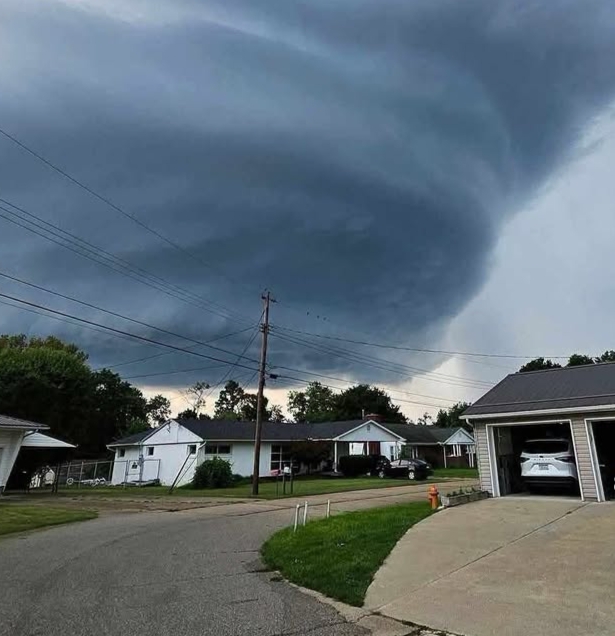
For anyone searching for “tornado warning Chicago today,” the most important thing is to stay calm and pay attention to official weather alerts. Conditions can change quickly, and a warning may apply only to certain parts of the Chicago area.
Chicago is a large metropolitan area, so severe weather does not affect every neighborhood in exactly the same way. One community may experience strong winds and heavy rain while another area nearby may be under a tornado warning.
That is why knowing what to do before a storm arrives is so important.
Why Chicago Can Experience Severe Storms
Chicago’s location in the Midwest means the city can experience different types of severe weather during the year. Warm, humid air can combine with changing weather systems and create powerful thunderstorms.
Some storms produce heavy rain and lightning. Others can bring very strong winds, hail or tornadoes.
The weather may look normal in the morning and become dangerous later in the day. Sometimes a storm develops much faster than people expect.
This is why residents should not judge the danger simply by looking outside. A storm that appears several miles away can move into an area surprisingly quickly.
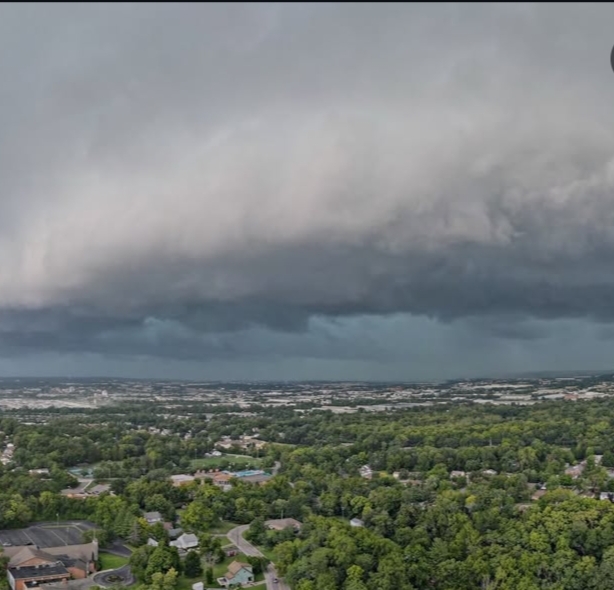
What Does a Tornado Warning Mean?
A tornado warning is an emergency weather alert.
It means that a tornado has been detected or that weather information indicates a tornado may be occurring. When a warning covers your location, you should take shelter immediately.
A tornado warning is different from a tornado watch.
A tornado watch means conditions are favorable for tornado development. It is a time to stay informed and be ready.
A tornado warning means the situation is more immediate. If you are inside the warning area, do not wait for additional confirmation before seeking shelter.
You do not need to see a tornado to take a warning seriously.
Where Should You Take Shelter?
If a tornado warning is issued for your location, go inside a sturdy building.
If your home has a basement, that is generally the best place to shelter. Move away from windows and stay as low as possible.
If there is no basement, choose a small room in the middle of the building. A hallway, bathroom, closet or another interior room can be a better choice than a room with large windows.
The goal is to put as many walls as possible between yourself and the outside.
Once you are in your shelter area, protect your head and neck. Flying debris is one of the major dangers associated with tornadoes and powerful storms.
Do not stand near a window to watch the storm.
Even if you are curious about what is happening outside, it is safer to remain in your shelter until the warning has ended and officials indicate that the danger has passed.
What If You Are Outside?
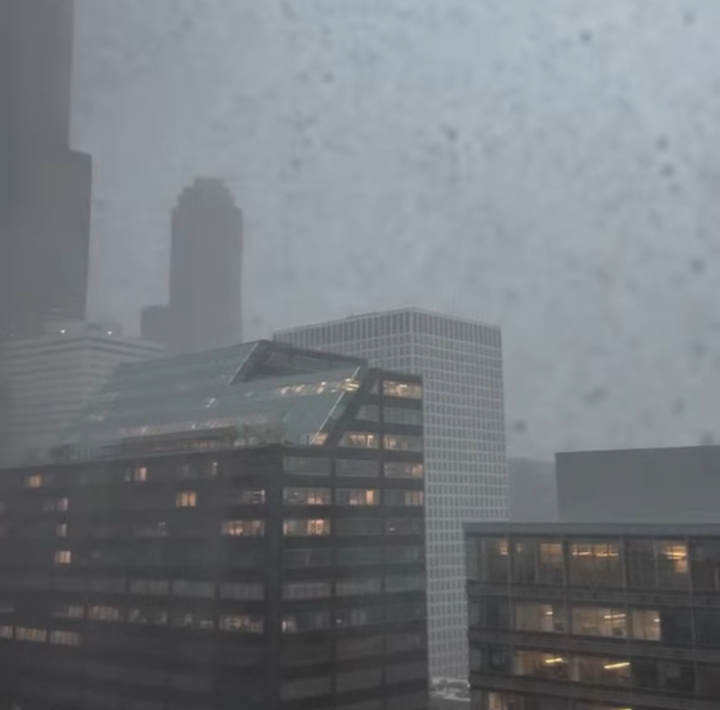
If you are outside when a tornado warning is issued, look for a sturdy building immediately.
Do not waste time trying to record the weather with your phone.
If you are at a park, sports field or outdoor event, follow instructions from staff or emergency officials and move into an appropriate shelter.
The same advice applies if you are working outdoors. Your safety should come before equipment, vehicles or belongings.
What Should Drivers Do?
Severe weather can be especially stressful for people who are driving.
If a tornado warning is issued while you are on the road, look for a sturdy building where you can safely take shelter.
Do not stop underneath a highway overpass to watch or hide from a tornado. Overpasses are not designed to provide safe tornado shelter.
Drivers should also slow down during heavy rain because visibility can drop suddenly. Fallen branches, standing water and debris can make roads dangerous.
If conditions become too severe, getting off the road and finding a safe building may be the better option.
Strong Winds Can Be Dangerous
Not every severe storm produces a tornado.
This is something Chicago residents should remember when preparing for dangerous weather.
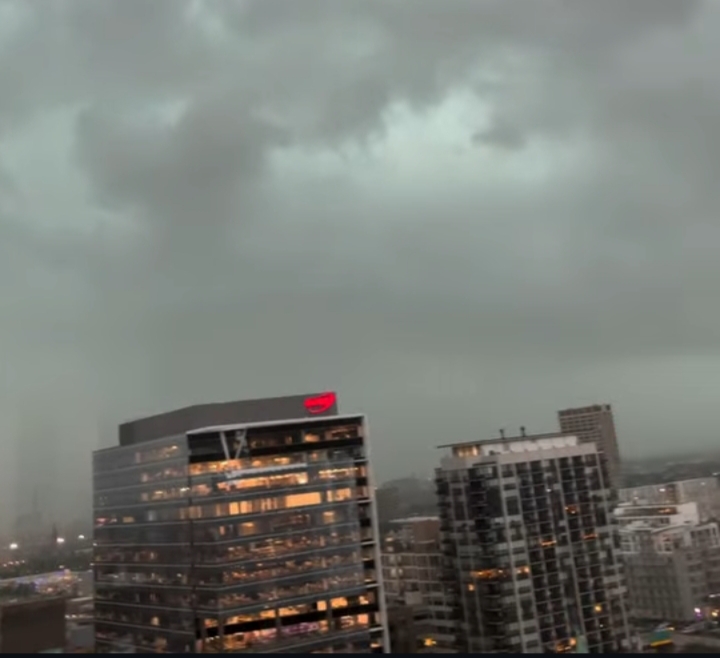
A powerful thunderstorm can produce extremely strong winds that are capable of breaking branches, damaging buildings and knocking down trees.
Strong winds can also cause power outages and make driving difficult.
If you hear a severe thunderstorm warning, do not assume the storm is harmless because there is no tornado warning. Follow the advice included in the official alert.
Heavy Rain and Flooding
Another problem during severe weather is flooding.
Heavy rainfall can quickly overwhelm drainage systems, especially in areas where water already has nowhere to go.
Roads can become difficult to drive on, and water may hide potholes, debris or damaged sections of pavement.
Never drive through water if you cannot determine how deep it is.
It may look shallow from a distance but be much deeper than expected.
After a major storm, pedestrians should also be careful around flooded sidewalks, fallen trees and damaged streets.
What To Do After the Storm
When the storm appears to be over, that does not mean you should immediately go outside.
Take a look around your property from a safe location first.
Check for broken windows, damaged roofs, fallen trees and other obvious hazards.
Most importantly, watch for downed power lines.
Never approach a fallen electrical wire. Keep your family and pets away from the area and report the problem to the appropriate utility company or emergency service.
If a building appears seriously damaged, do not enter until it has been declared safe.
Power Outages Can Last
Severe storms can sometimes leave thousands of people without electricity.
If the power goes out, keep refrigerator and freezer doors closed as much as possible. Use flashlights rather than open flames when you need light.
Keep your phone charged whenever severe weather is expected. A portable battery can also be useful during a long outage.
If you have elderly family members, young children or neighbors who may need assistance, check on them when it is safe to do so.
However, do not put yourself in danger while trying to help someone else.
Keep Your Weather Alerts On
One of the simplest ways to prepare for severe weather is to make sure emergency alerts are enabled on your phone.
You can also monitor local television, radio and official weather websites.
Do not rely only on a post shared on social media. A video or message may have been recorded hours earlier or may refer to a completely different part of the Chicago area.
Always check the time and location of a warning.
The National Weather Service is an important source for official weather warnings and forecasts affecting Chicago and surrounding communities.
Have a Simple Family Plan
A severe weather plan does not have to be complicated.
Everyone in the household should know where to go if a tornado warning is issued.
If children are home, explain the plan before bad weather arrives. Make sure everyone knows how to get to the safest part of the house.
If you have pets, think about where they will go as well.
It is much easier to make these decisions when the weather is calm than when a warning is already active.
Don’t Wait for the Sirens
Many people believe they will hear a tornado siren before a tornado arrives.
Outdoor warning sirens are useful, but they should not be your only source of information. You may not hear a siren indoors, especially with windows closed, air conditioning running or other background noise.
Your phone, television, radio and official weather alerts can provide additional information.
If your phone receives a tornado warning for your location, take it seriously even if you have not heard a siren.
Final Thoughts
A tornado warning can turn an ordinary day in Chicago into a stressful situation very quickly. The best response is not panic. It is preparation.
Know where you will shelter. Keep your phone charged. Pay attention to official warnings and avoid unnecessary travel when dangerous weather is approaching.
If a tornado warning is issued for your location, go indoors immediately and move away from windows. A basement or interior room on the lowest floor is generally the safest option.
After the storm passes, remain careful around fallen trees, damaged buildings, flooded roads and power lines.
For people searching for “tornado warning Chicago today,” the key message is simple: weather conditions can change quickly, so check the latest official information for your exact location rather than relying on an old alert or social media post.
A few minutes of preparation can make a big difference when severe weather arrives. Stay informed, stay calm and put safety ahead of everything else.