
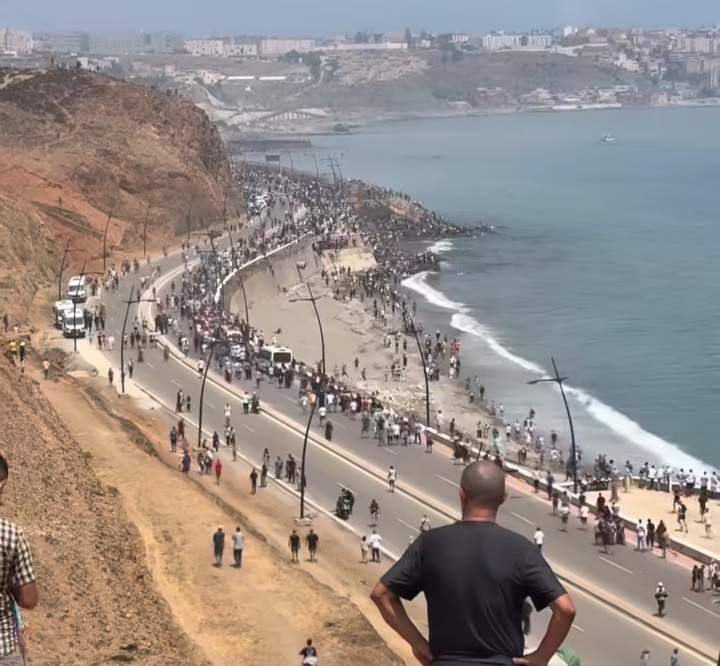
The Spanish enclave of Ceuta has once again become the center of Europe’s migration debate. Located on the northern coast of Africa and sharing a land border with Morocco, Ceuta is one of the European Union’s most strategically important border regions. In recent weeks, a significant rise in migrant arrivals has placed enormous pressure on local authorities, humanitarian organizations, and Spain’s national government.
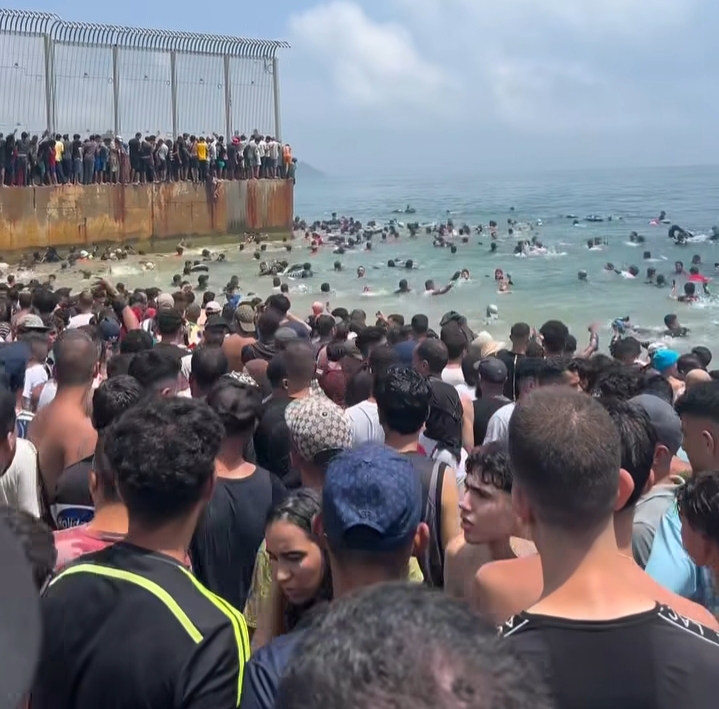
As thousands attempt dangerous crossings by sea and land, Spain has launched an emergency response to strengthen border security, expand humanitarian assistance, and coordinate with European partners. The latest developments highlight the growing challenge of balancing national security with the responsibility to protect vulnerable people seeking safety and better opportunities.
Why Ceuta Is a Migration Hotspot
Ceuta is one of only two Spanish territories located on the African continent, the other being Melilla. Because these cities are part of Spain and the European Union, they have long served as entry points for migrants hoping to reach mainland Europe.
Migrants arrive through several routes:
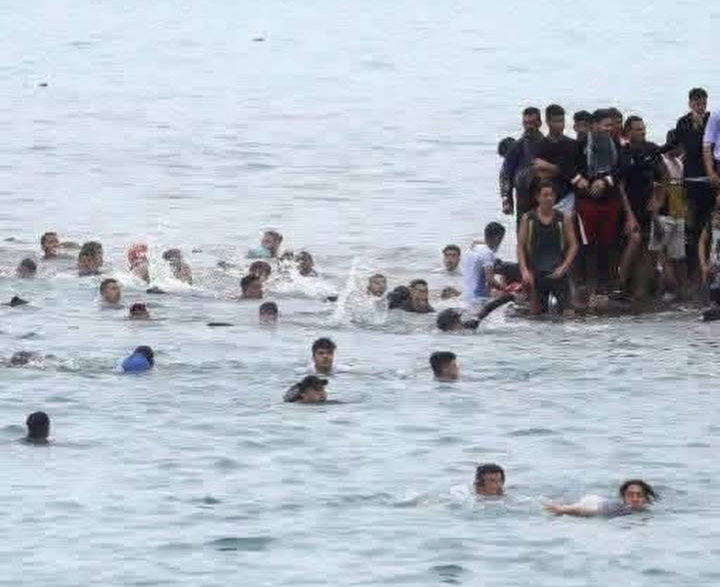
- Swimming around border fences from Morocco
- Attempting to cross the heavily fortified land border
- Traveling in overcrowded boats
- Hiding inside vehicles crossing official checkpoints
Economic hardship, political instability, armed conflicts, and climate-related challenges across parts of Africa continue to push thousands toward Europe each year. Ceuta remains one of the shortest—but also one of the most dangerous—routes.
Recent Surge Raises Alarm
Authorities have reported a sharp increase in arrivals over recent weeks, stretching the city’s emergency resources. Reception centers designed for limited occupancy have become overcrowded, while local services face growing demands for food, shelter, healthcare, and legal support.
Many arrivals include:
- Unaccompanied minors
- Families with young children
- Young adults seeking employment
- Individuals fleeing violence or persecution
The sudden increase has forced Spain to activate emergency measures aimed at restoring order while ensuring humanitarian standards are maintained.
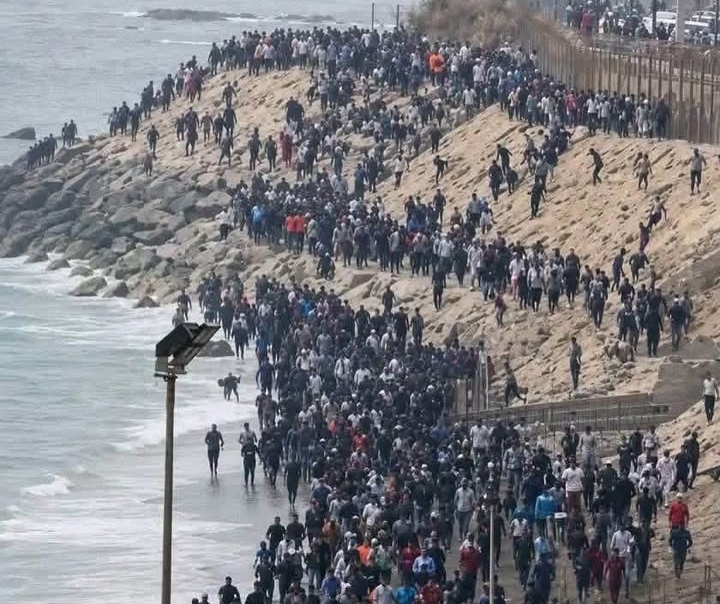
Spain’s Emergency Response
The Spanish government has introduced a multi-layered response focusing on border management, public safety, and humanitarian assistance.
Increased Security Presence
Additional officers from the National Police and Civil Guard have been deployed to Ceuta. Their responsibilities include:
- Monitoring coastal areas
- Preventing illegal border crossings
- Assisting rescue operations
- Supporting local authorities during high-arrival periods
Spain has also increased maritime patrols to intercept unsafe vessels before they reach the coastline.
Expanded Humanitarian Support
Emergency shelters have been expanded to provide temporary accommodation for new arrivals.
Humanitarian organizations are working alongside government agencies to provide:
- Emergency medical treatment
- Food and drinking water
- Clothing and hygiene supplies
- Psychological support
- Legal assistance for asylum seekers
Special attention is being given to children and other vulnerable individuals who require immediate protection.
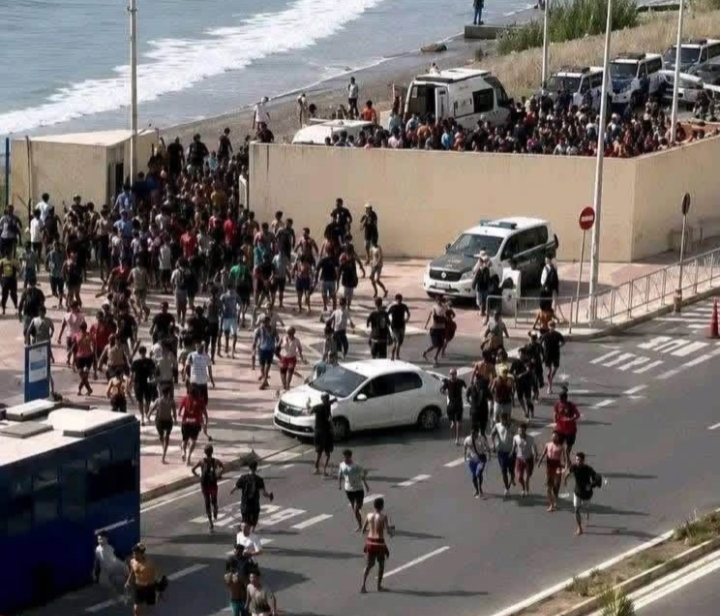
Processing and Identification
Authorities have accelerated registration procedures to identify migrants, verify identities, and determine whether individuals qualify for asylum under Spanish and European law.
Officials must distinguish between:
- Asylum applicants
- Economic migrants
- Unaccompanied minors
- Individuals requiring immediate medical care
Efficient processing is considered essential to prevent overcrowding and reduce administrative delays.
Pressure on Local Services
Although Ceuta has experience handling migration flows, the recent increase has placed extraordinary pressure on local infrastructure.
Schools, hospitals, emergency shelters, and municipal services have all reported increased workloads. Local leaders have repeatedly requested greater financial and logistical support from Madrid and the European Union.
Residents have expressed mixed reactions. While many volunteer organizations continue assisting migrants with food and essential supplies, others worry about public safety, housing shortages, and the strain on public resources.
Cooperation with Morocco
Spain continues to work closely with Morocco on migration management. Bilateral cooperation includes:
- Intelligence sharing
- Border surveillance
- Joint efforts against human trafficking networks
- Maritime rescue coordination
Relations between Madrid and Rabat have a significant impact on migration flows. When diplomatic cooperation improves, irregular crossings often decrease due to stronger enforcement and coordinated border controls.
European Union’s Role
Because Ceuta represents one of the European Union’s external borders, migration management is not solely Spain’s responsibility.
EU institutions continue supporting member states through:
- Border management funding
- Technical assistance
- Frontex operational support
- Humanitarian funding
- Asylum policy coordination
European leaders continue debating broader migration reforms aimed at sharing responsibilities among member states while strengthening external border security.
Humanitarian Concerns Remain
Human rights organizations emphasize that migration should not be viewed solely through a security lens.
Many migrants undertake dangerous journeys after escaping:
- Armed conflict
- Political persecution
- Poverty
- Human trafficking
- Environmental disasters
Every year, numerous people lose their lives attempting to cross the Mediterranean or reach Ceuta’s coastline.
Aid groups continue urging governments to:
- Improve search-and-rescue operations
- Expand legal migration pathways
- Protect vulnerable children
- Ensure fair asylum procedures
- Combat human trafficking organizations
Balancing humanitarian obligations with border enforcement remains one of Europe’s most difficult policy challenges.
Impact on Spanish Politics
Migration continues to dominate political discussions across Spain.
Government officials argue that stronger border management is necessary to maintain security while respecting international law.
Opposition parties have called for stricter immigration controls, faster deportation procedures for those without legal status, and increased investment in border infrastructure.
Meanwhile, humanitarian organizations encourage policymakers to prioritize human rights alongside security concerns.
The issue is expected to remain a major political topic as migration pressures continue across southern Europe.
Looking Ahead
Experts believe migration toward Ceuta is unlikely to disappear in the near future. Economic inequality, regional instability, population growth, and climate change continue driving people toward Europe.
Spain’s immediate challenge will be managing arrivals without overwhelming local communities or compromising humanitarian obligations.
Long-term solutions will likely require stronger cooperation between European nations, improved partnerships with African countries, expanded legal migration options, and sustained efforts to dismantle human trafficking networks.
As Ceuta remains on the frontline of Europe’s migration challenge, the city’s experience highlights the complex balance between protecting borders, supporting local communities, and safeguarding the dignity of people seeking hope beyond their homelands.
Conclusion
Ceuta has once again emerged as one of Europe’s most closely watched migration hotspots. Spain’s emergency response reflects the urgency of addressing rising arrivals while maintaining border security and humanitarian standards. Although additional security forces, expanded shelters, and closer cooperation with Morocco and the European Union have helped manage the immediate situation, lasting solutions will require international collaboration and comprehensive migration policies. The events unfolding in Ceuta underscore one of the defining challenges facing Europe today—how to protect borders while respecting the rights and dignity of those seeking a safer future.
Spainish enclave Ceuta raises alarm as thousands cross border from Morocco