
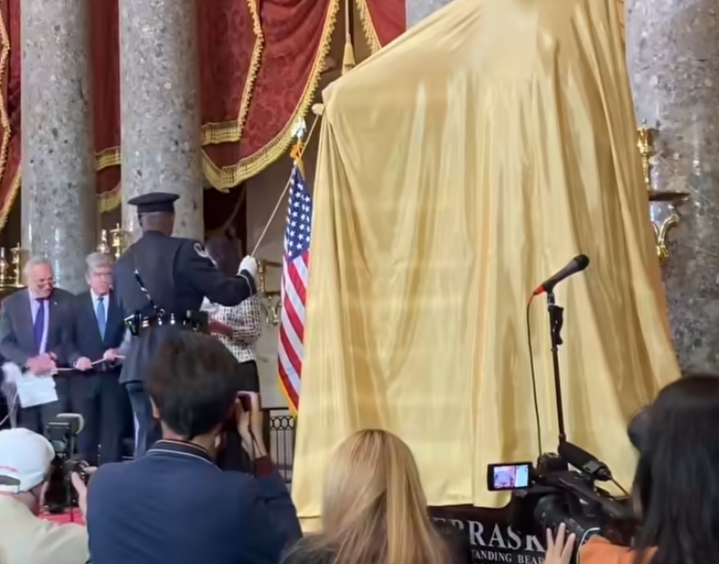
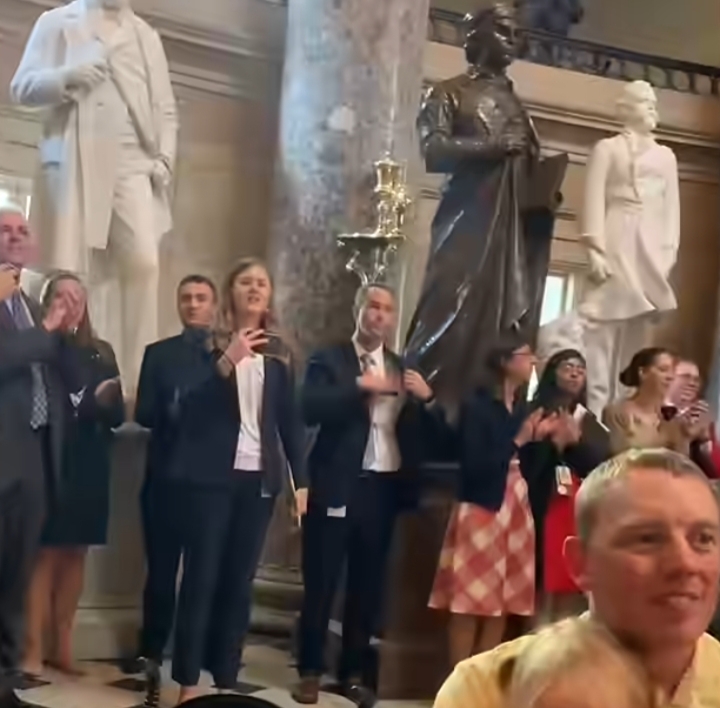
On September 18, 2019, history was made when a bronze statue of Chief Standing Bear was unveiled in the National Statuary Hall at the United States Capitol. Donated by the state of Nebraska, the monument honors a Native American leader whose fight for justice helped change the course of American civil rights history.
Who Was Chief Standing Bear?
Chief Standing Bear was a respected leader of the Ponca Tribe. In 1879, he became the central figure in a landmark court case after being arrested while trying to fulfill his son’s dying wish to be buried in their ancestral homeland in Nebraska. During the trial, Standing Bear declared that Native Americans were human beings entitled to the same legal protections as everyone else.
His powerful words and legal victory led to a historic federal court ruling recognizing that Native Americans are “persons” under U.S. law, making the case a defining moment in the fight for civil rights.
The Statue at the U.S. Capitol
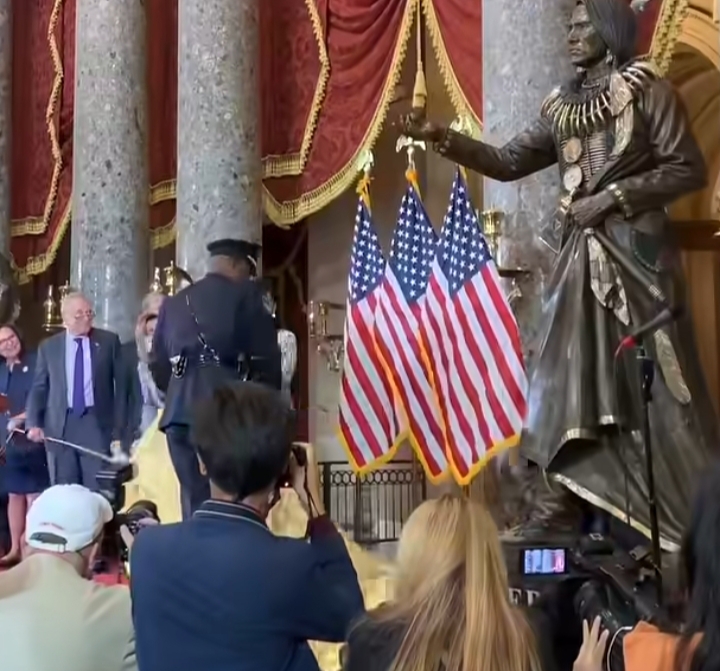
Created by renowned sculptor Benjamin Victor, the more than nine-foot-tall bronze statue depicts Chief Standing Bear with his right hand extended, symbolizing his famous courtroom statement about equality and shared humanity. The statue became part of the National Statuary Hall Collection in 2019, replacing Nebraska’s previous statue of William Jennings Bryan.
Why This Monument Matters
The unveiling of Chief Standing Bear’s statue represents more than the addition of a new monument. It recognizes the courage of a man whose fight for justice continues to inspire generations. His story reminds Americans that equality, dignity, and human rights are principles worth defending.
Today, visitors to the U.S. Capitol can see the statue as a lasting tribute to Native American history, resilience, and the ongoing pursuit of justice.
Final Thoughts
The unveiling of Chief Standing Bear’s statue is one of the most significant moments in modern U.S. historical recognition. It celebrates a leader whose legacy continues to shape conversations about civil rights, equality, and the importance of honoring Indigenous voices in American history.