
The latest legal battle involving the Trump administration has drawn national attention after U.S. District Judge Indira Talwani issued a significant ruling in a lawsuit over federal grant funding. The decision could have major implications for how future administrations manage billions of dollars in government grants and whether political priorities can be used to cancel funding that has already been awarded.
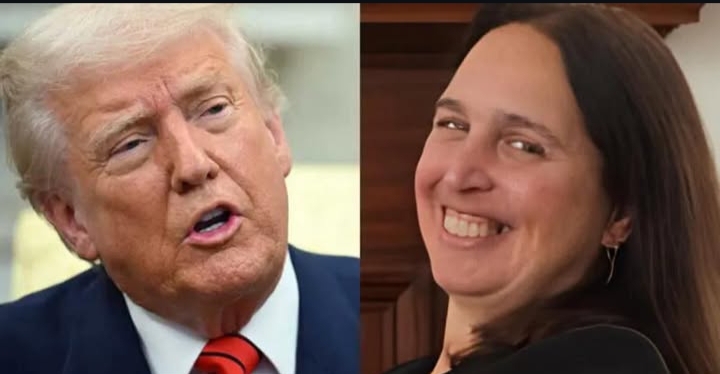
The case was brought by a coalition of Democratic-led states, which argued that the federal government was attempting to revoke grants simply because they no longer aligned with the administration’s policy priorities. Judge Talwani’s ruling rejected that interpretation, marking another important moment in the ongoing legal disputes surrounding federal spending and executive authority.
What Is the Lawsuit About?
The lawsuit centered on a regulation that the Trump administration relied upon to terminate or threaten the cancellation of federal grants. According to the plaintiff states, the administration argued that agencies could withdraw grant funding if those programs no longer matched current government priorities.
The states challenged this interpretation, claiming it would allow the executive branch to bypass Congress and create uncertainty for thousands of federally funded programs. They argued that grants approved through legal processes should not be canceled simply because a new administration has different political goals.
Judge Talwani agreed with many of those concerns and ruled that the administration could not broadly use the regulation as justification for canceling grants already awarded.
Judge Talwani’s Key Findings
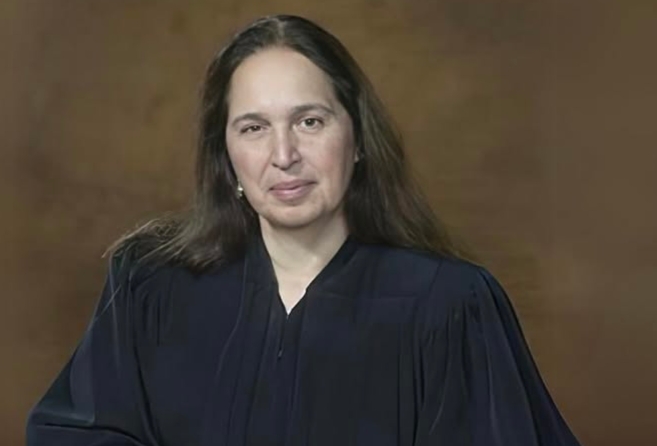
Judge Indira Talwani stated that federal grants are governed by legal agreements and statutory requirements rather than changing political preferences. Once funding has been awarded according to federal law, agencies cannot simply withdraw it because new leaders disagree with the purpose of the program.
The court found that the government’s interpretation of the termination clause lacked sufficient legal support and conflicted with constitutional principles governing federal spending. The ruling emphasized that Congress controls appropriations, and executive agencies must follow the limits established by law.

Why the Decision Matters
Federal grants support thousands of programs across the United States, including:
- Public safety initiatives
- Scientific research
- Disaster preparedness
- Education programs
- Community development
- Public health projects
- Environmental initiatives
Many state governments, universities, nonprofit organizations, and local agencies depend on these grants to provide services and complete long-term projects.
Had the administration’s interpretation been upheld, many organizations feared that funding could become unpredictable whenever presidential priorities changed. The ruling therefore provides greater certainty for grant recipients across multiple sectors.
States Behind the Lawsuit
The lawsuit was filed by more than twenty Democratic-led states that argued billions of dollars in existing grants were potentially at risk.
The plaintiffs maintained that allowing agencies to revoke funding based solely on political priorities would undermine the constitutional balance between Congress and the executive branch. They argued that Congress—not the President alone—decides how taxpayer money is allocated.
Their legal challenge sought a court order preventing federal agencies from relying on the disputed regulation when canceling grants.
Judge Talwani ultimately granted summary judgment in favor of the states, preventing the administration from broadly applying the clause in the manner it proposed.
The Trump Administration’s Position
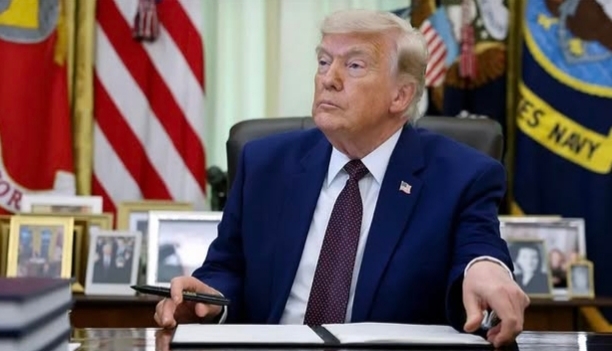
Lawyers representing the Trump administration argued that federal agencies require flexibility when priorities change.
According to the government’s position, agencies should have authority to discontinue grants that no longer serve current policy objectives or administrative goals.
The administration also argued that some concerns raised by the states were speculative because not every grant would necessarily be terminated.
However, the court rejected these arguments and concluded that the administration’s interpretation exceeded the legal authority provided by existing regulations.
Constitutional Questions Raised
The lawsuit focused on several constitutional issues, particularly the Spending Clause.
Under the U.S. Constitution, Congress has primary authority over federal spending. While executive agencies administer grant programs, courts have consistently recognized that agencies cannot create new funding conditions after grants have already been awarded unless authorized by law.
Judge Talwani concluded that allowing agencies to terminate grants based on changing political priorities would create uncertainty and conflict with constitutional protections governing federal expenditures.
Impact on States and Grant Recipients
The ruling is expected to benefit numerous organizations that receive federal assistance.
State governments often rely on multi-year grants for infrastructure projects, education, emergency management, and healthcare programs. Universities use federal funding for research and innovation, while nonprofit organizations depend on grants to serve local communities.
Because many of these programs involve long-term planning, sudden cancellations could create financial instability and interrupt important public services.
The court’s decision provides additional legal protection for existing grant recipients while the broader policy debate continues.
Could the Decision Be Appealed?
Yes. The Trump administration has the option to appeal Judge Talwani’s ruling to a higher federal court.
Appeals are common in cases involving executive authority, constitutional interpretation, and nationwide federal policies. If appealed, the case could eventually reach a federal appellate court and potentially the U.S. Supreme Court if broader constitutional questions remain unresolved.
Until then, Judge Talwani’s decision represents an important legal precedent regarding executive authority over federal grant funding.
Broader Political Significance
The ruling arrives during an ongoing national debate over the limits of presidential power.
Supporters of stronger executive authority argue that administrations should be able to redirect funding toward their policy goals. Critics believe allowing presidents to cancel previously approved grants would weaken Congress’s constitutional role in determining federal spending.
This case illustrates the continuing tension between executive flexibility and legislative authority, a debate that has shaped American constitutional law for decades.
Conclusion
Judge Indira Talwani’s decision in the federal grant lawsuit represents a significant legal setback for the Trump administration’s interpretation of grant termination authority. The court ruled that agencies cannot broadly revoke awarded grants simply because they no longer align with current political priorities.
The ruling reinforces Congress’s central role in federal spending and offers greater certainty to states, universities, nonprofits, and public agencies that depend on federal grants. While an appeal remains possible, the decision is already being viewed as an important development in defining the limits of executive power over federal funding.
As legal proceedings continue, the case will likely remain closely watched because its outcome could influence future administrations and the management of billions of dollars in federal grants across the United States.
Apple iPhone 18 Pro Max: What People Are Expecting from Apple’s Next Premium Smartphone









Leave a Reply