
Lake Ontario is one of the most remarkable natural landmarks in North America. Although it is the smallest of the five Great Lakes by surface area, it has an enormous role in the environment, history, economy, and daily life of the communities surrounding it. Stretching between the United States and Canada, the lake offers a fascinating combination of natural beauty, busy waterfront cities, beaches, wildlife, and centuries of history.
For many people, Lake Ontario is more than just a large body of freshwater. It is a place for boating, fishing, walking along the shoreline, watching sunsets, exploring parks, and enjoying the outdoors. Its waters have also played an important role in transportation and trade for generations.
Where Is Lake Ontario?
Lake Ontario is located at the eastern end of the Great Lakes system. It sits between the Canadian province of Ontario and the U.S. state of New York. The lake covers approximately 7,340 square miles, making it smaller than the other four Great Lakes, but its location gives it considerable importance.
The lake is connected to Lake Erie through the Niagara River. The famous Niagara Falls lies along this connection, where enormous amounts of water move from Lake Erie toward Lake Ontario. From Lake Ontario, water eventually flows through the St. Lawrence River toward the Atlantic Ocean.
Several major cities are located along or close to its shoreline. Toronto, Hamilton, Kingston, and Oshawa are among the important Canadian communities associated with the lake, while Rochester and other communities in New York are located on the American side.
The Beauty of Lake Ontario
One of the most attractive features of Lake Ontario is the changing character of its shoreline. In some areas, visitors can find sandy beaches and open waterfronts, while other sections feature rocky shores, cliffs, harbors, wetlands, and green parks.
The lake can look completely different depending on the weather and season. On a calm summer morning, the water may appear peaceful and blue. During strong winds, however, waves can become surprisingly powerful, reminding visitors that Lake Ontario is a huge inland sea rather than an ordinary lake.
Sunrise and sunset are particularly beautiful along the waterfront. In cities such as Toronto and Rochester, the lake provides a dramatic background for photographs, evening walks, and outdoor activities.
A Lake With a Long History
Lake Ontario has been important to human communities for thousands of years. Indigenous peoples lived around the Great Lakes long before European settlement, developing strong cultural, economic, and spiritual connections with the region.
Later, European exploration and settlement transformed the area. During the 18th and 19th centuries, Lake Ontario became an important transportation route. Ships carried people, food, timber, manufactured goods, and other materials between communities.
The lake also played a role during the War of 1812 between the United States and Britain. Control of the Great Lakes was strategically important because waterways were essential for moving troops and supplies.
Today, historic waterfront communities around the lake still reflect parts of this long and complicated history.
Wildlife Around Lake Ontario
Lake Ontario supports a wide range of wildlife, both in the water and around its shoreline. The surrounding wetlands, forests, rivers, and coastal habitats provide shelter and food for numerous species.
Fish are particularly important to the lake’s ecosystem and recreational economy. Species found in the Lake Ontario region include lake trout, salmon, bass, walleye, yellow perch, and other freshwater fish.
Birdwatchers can also find plenty to enjoy. Waterfowl, gulls, herons, raptors, and migratory birds use areas around the lake during different times of the year. Wetlands and shoreline habitats are especially valuable for birds that depend on aquatic environments.
Protecting these habitats is essential because healthy ecosystems help maintain water quality and biodiversity.
Recreation and Outdoor Activities
Lake Ontario offers countless opportunities for outdoor recreation. Fishing is one of the most popular activities, attracting both local residents and visitors. Anglers can fish from boats, piers, shorelines, and designated areas.
Boating and sailing are also popular during the warmer months. The lake’s numerous harbors and marinas make it possible for people to explore the water while enjoying views of the surrounding communities.
For those who prefer staying on land, waterfront trails and parks provide excellent opportunities for walking, cycling, photography, and relaxing. Beaches around the lake become especially popular during summer.
Kayaking and paddleboarding can also be enjoyable when weather and water conditions are suitable. However, Lake Ontario can experience strong winds and rapidly changing conditions, so visitors should always pay attention to local safety information.
Lake Ontario and Toronto
Toronto’s relationship with Lake Ontario is one of the most visible examples of how a major city can be shaped by a natural environment.
The lake forms the southern edge of Toronto and provides an impressive setting for the city’s skyline. The waterfront includes parks, trails, marinas, beaches, and recreational spaces where residents and tourists can escape the busy downtown environment.
From the shoreline, visitors can enjoy views of the Toronto skyline across the water. The contrast between modern skyscrapers and the enormous natural lake creates one of the city’s most recognizable landscapes.
The waterfront is also an important part of Toronto’s identity, tourism industry, and urban development.
Environmental Challenges
Like many major freshwater ecosystems, Lake Ontario faces environmental challenges. Pollution, invasive species, habitat loss, climate change, and changes in water conditions can all affect the health of the lake.
Over the decades, governments, scientists, environmental organizations, and local communities have worked to improve water quality and protect important habitats. These efforts have produced significant progress, but maintaining a healthy lake requires continuous attention.
Climate change may also influence the lake in different ways, including changes in water temperature, precipitation, storms, and shoreline conditions. Protecting wetlands and natural habitats can help communities become more resilient to environmental changes.
Why Lake Ontario Matters
The importance of Lake Ontario extends far beyond its scenery. It provides freshwater resources, supports ecosystems, contributes to recreation and tourism, and remains connected to a major transportation network.
Millions of people live in the wider Great Lakes region, making the protection of freshwater resources extremely important. The lake also supports businesses connected to tourism, fishing, boating, transportation, and waterfront development.
Its value cannot be measured only in economic terms. For many people living near the lake, Lake Ontario is part of everyday life. It is where families visit beaches, where people exercise along waterfront trails, and where communities gather to enjoy nature.
Best Time to Experience Lake Ontario
Summer is generally the busiest season for enjoying Lake Ontario’s beaches, boating, fishing, and waterfront parks. Warm temperatures make it easier to spend long days outdoors.
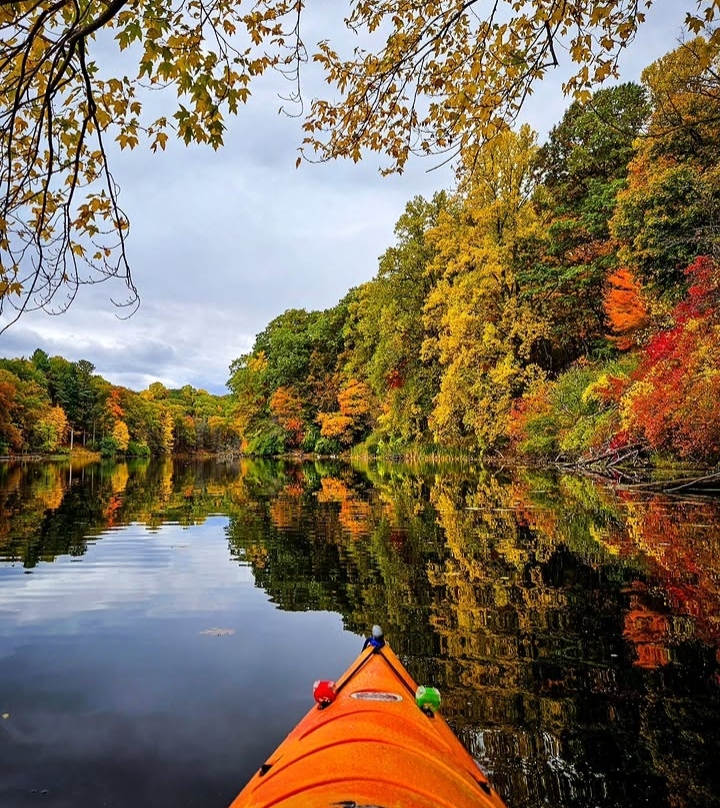
Autumn offers a different experience, with cooler weather and colorful foliage around many shoreline areas. Winter can transform the waterfront into a dramatic landscape, especially during periods of freezing temperatures and strong winds. Spring brings returning birds, fresh greenery, and increasingly pleasant outdoor conditions.
Each season gives the lake a different personality, which is one reason visitors can enjoy returning throughout the year.
Final Thoughts
Lake Ontario may be the smallest of the five Great Lakes by surface area, but its significance is anything but small. Its waters connect communities, support wildlife, provide recreational opportunities, and carry a remarkable history.
From the Toronto skyline and peaceful waterfront parks to fishing communities and natural habitats, Lake Ontario offers something for almost everyone. Its combination of natural beauty and human history makes it one of the most fascinating freshwater destinations in North America.
Most importantly, Lake Ontario is a reminder of the value of clean and healthy freshwater. The lake belongs not only to the communities living beside it today but also to future generations. Protecting its waters, shoreline, wildlife, and surrounding habitats will help ensure that Lake Ontario remains beautiful, productive, and inspiring for many years to come.
Trump renames Lake Ontario as ‘Lake America’ amid Canada trade war