
Traveling abroad is an exciting way to explore new cultures, enjoy local food, and create unforgettable memories. However, international travel can sometimes expose people to illnesses that are uncommon in their home countries. A recent health report has highlighted how a tiny parasite caused dozens of travelers returning to the United Kingdom to become sick, reminding everyone that food and water safety should always be a priority while traveling.
According to health officials, 67 travelers in the UK were diagnosed with an intestinal parasite infection after returning from overseas trips. While most people recovered with proper treatment, the incident has renewed discussions about travel health, hygiene, and disease prevention.
What Happened?
Health authorities identified 67 confirmed cases of an intestinal parasite infection among travelers who had recently returned to the UK. The parasite caused symptoms ranging from mild stomach discomfort to severe digestive illness that required medical attention.
Most of the infected individuals had traveled internationally, where they were likely exposed to contaminated food or drinking water. Investigations suggested that the infections were linked to poor sanitation rather than person-to-person transmission.
Although such infections are generally treatable, they can become serious if left undiagnosed, especially in young children, older adults, and people with weakened immune systems.
Which Parasite Was Responsible?
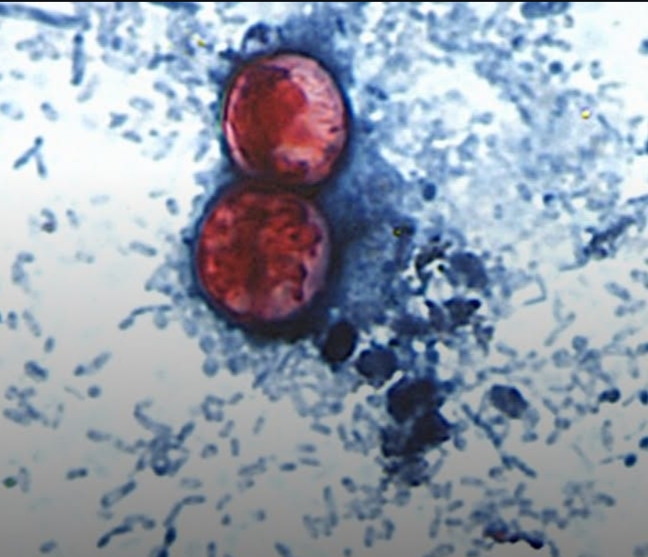
The illness was caused by Cyclospora cayetanensis, a microscopic parasite that infects the small intestine.
Cyclospora is found in contaminated food and water and has been responsible for several outbreaks around the world. Because the parasite needs time to develop outside the human body before becoming infectious, direct contact with an infected person is considered an unlikely source of infection.
Instead, travelers usually become infected after consuming:
- Raw fruits and vegetables
- Fresh herbs
- Salads
- Contaminated drinking water
- Ice made with unsafe water
Foods washed with contaminated water can also spread the parasite.
Without treatment, symptoms can continue for several weeks and may even return after temporarily improving.
Why Travelers Are More Vulnerable
People traveling internationally often experience changes in diet and water sources. Foods that are perfectly safe when properly prepared can become contaminated if hygiene standards differ.
Some common risk factors include:
Eating Raw Produce
Fresh salads, herbs, berries, and leafy vegetables may be washed with contaminated water before being served.
Drinking Unsafe Water
Tap water is not safe to drink in every country. Even beverages containing ice cubes may pose a risk if the ice was made from contaminated water.
Street Food
Street food can be delicious, but improper food handling or poor sanitation may increase the risk of infection.
Tropical Destinations
Cyclospora infections are reported more frequently in tropical and subtropical regions where sanitation infrastructure may be limited.
How Doctors Diagnose the Infection
Cyclospora cannot always be detected through routine stool testing.
Doctors usually request specialized laboratory examinations that specifically look for parasite eggs or genetic material. Because symptoms resemble many other stomach illnesses, patients are encouraged to inform healthcare providers about any recent international travel.
Travel history often provides the most important clue.
Treatment Options
Fortunately, Cyclospora infection is generally treatable.
Doctors commonly prescribe a course of antibiotics that targets the parasite. Most patients begin feeling better within a few days of starting treatment.
In addition to medication, patients are advised to:
- Drink plenty of fluids
- Replace lost electrolytes
- Eat light meals until symptoms improve
- Rest adequately
People should avoid taking anti-diarrheal medicines without medical advice, as they may not be appropriate in every situation.
Possible Complications
While many people recover completely, untreated infections may lead to:
- Severe dehydration
- Significant weight loss
- Nutritional deficiencies
- Long-lasting diarrhea
- Weakness and fatigue
Older adults and individuals with weakened immune systems may experience more serious illness and require additional medical care.
How to Protect Yourself While Traveling
Travel health experts recommend following simple hygiene practices to reduce the risk of foodborne illnesses.
Drink Safe Water
Choose bottled water with an intact seal whenever possible.
If bottled water isn’t available:
- Boil water before drinking.
- Use certified water purification systems.
- Avoid tap water in areas where safety is uncertain.
Be Careful with Ice
Ice cubes may contain contaminated water.
If you’re unsure about the water source, order drinks without ice.
Wash Your Hands
Hand hygiene remains one of the most effective ways to prevent illness.
Wash hands:
- Before eating
- After using the restroom
- After handling money
- After touching animals
Alcohol-based hand sanitizer can help when soap and clean water are unavailable.
Eat Food That Is Thoroughly Cooked
Hot, freshly cooked meals are generally safer than food left sitting at room temperature.
Avoid:
- Raw seafood
- Unpasteurized dairy products
- Undercooked meat
Wash Fruits Carefully
Whenever possible:
- Peel fruits yourself.
- Wash produce with safe water.
- Avoid pre-cut fruit sold in open markets.
When Should You See a Doctor?
Anyone experiencing diarrhea lasting more than two or three days after international travel should seek medical advice.
Immediate medical attention is recommended if symptoms include:
- Blood in stool
- High fever
- Severe dehydration
- Persistent vomiting
- Difficulty keeping fluids down
- Extreme weakness
Early diagnosis allows doctors to begin treatment quickly and reduce the risk of complications.
Public Health Importance
Travel-related illnesses are becoming more common as international tourism continues to increase. Even countries with excellent healthcare systems regularly detect infections brought back by returning travelers.
Health agencies closely monitor these cases to identify outbreaks, trace possible food sources, and provide updated travel guidance. Surveillance also helps authorities recognize emerging health threats before they spread more widely.
Experts emphasize that travelers should remain informed about local health advisories before departure and practice good hygiene throughout their trip.
Final Thoughts
The recent cases involving 67 UK travelers serve as an important reminder that microscopic parasites can have a significant impact on health. While Cyclospora infections are usually treatable, prevention remains the best defense.
Simple precautions such as drinking safe water, choosing well-cooked food, washing hands frequently, and being cautious with raw produce can dramatically reduce the risk of infection. Travelers who develop persistent digestive symptoms after returning home should seek medical care promptly and mention their recent travel history, helping doctors diagnose and treat the illness quickly.
Ceuta on the Edge: Spain’s Emergency Response to Migrant Surge