
Tommy Detamore was more than a pedal steel guitarist. He was a producer, recording engineer, multi-instrumentalist, mentor, and one of the important behind-the-scenes figures who helped preserve and shape the sound of traditional country, Texas music, and Americana. For decades, his work connected classic country traditions with a newer generation of artists, giving countless recordings an unmistakable warmth, authenticity, and musical character.
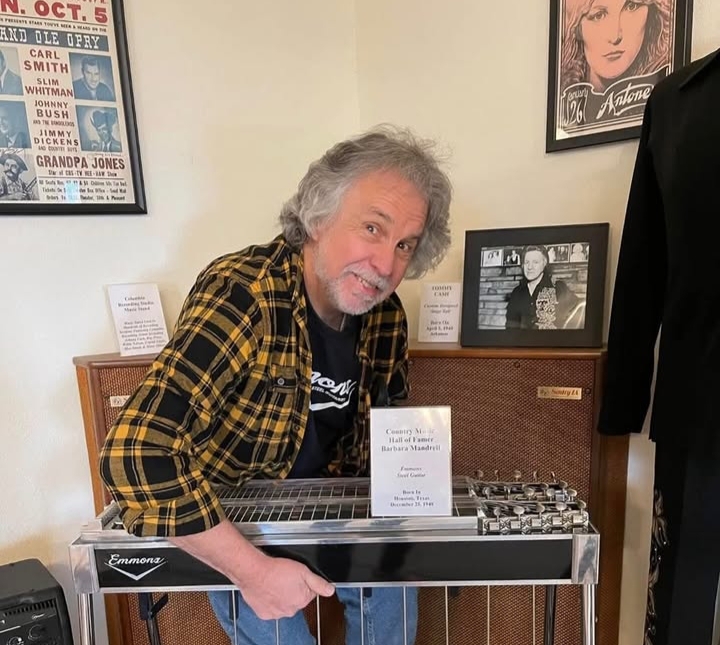
The music community was deeply saddened by Detamore’s death in August 2026 at the age of 70. His passing marked the loss of a respected creative force whose career stretched across several decades. Yet his recordings, production work, musicianship, and influence continue to tell the story of an artist who dedicated his life to American roots music.
From Virginia to Texas
Tommy Detamore was originally from Charlottesville, Virginia. His musical journey began during his school years, when he started playing guitar. His early interest in music eventually developed into a professional career, leading him toward the rich musical environment of Texas.
After moving to Texas in 1981, Detamore began playing steel guitar with country artist Darrell McCall. The move proved to be a turning point in his career. A year later, he became a prominent steel guitarist with Moe Bandy’s band and spent years performing at major country venues, including the Grand Ole Opry.
The pedal steel guitar would become one of the defining elements of Detamore’s musical identity. His playing was capable of providing the emotional atmosphere that country music is famous for—from gentle, crying notes behind a ballad to energetic phrases that could lift a traditional honky-tonk arrangement.
The Sound of the Pedal Steel
In country and Americana music, the pedal steel guitar has a special role. It can sound simultaneously joyful and melancholy, giving a recording emotional depth without overpowering the singer or songwriter.
Detamore understood that balance exceptionally well.
Rather than treating the steel guitar simply as a featured instrument, he used it as part of the storytelling process. His musical approach allowed the instrument to respond to vocals, complement guitars and fiddle, and create space within an arrangement.
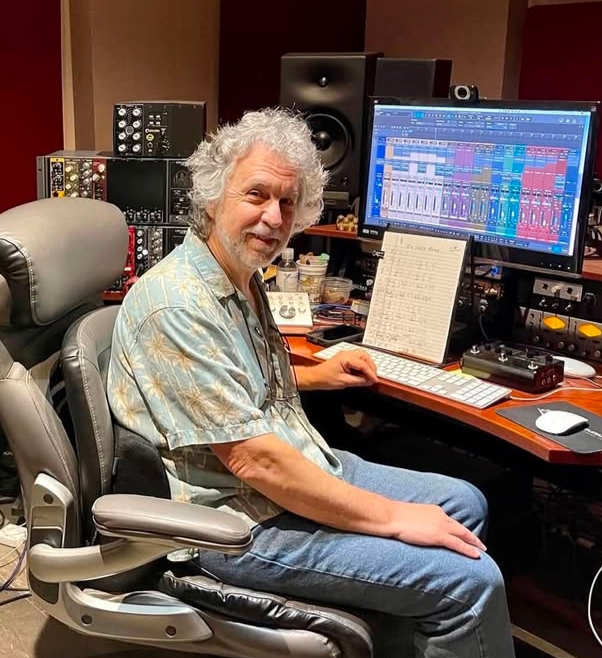
His skills were not limited to pedal steel. According to his own biography, Detamore worked with steel guitar, electric guitar, acoustic guitar, dobro, mandolin, and other instruments throughout his career. He also engineered, produced, mixed, and mastered recordings. His biography credits him with engineering, producing, and mastering more than 150 albums and performing on well over 300 albums.
Cherry Ridge Studio: A Home for Texas Music
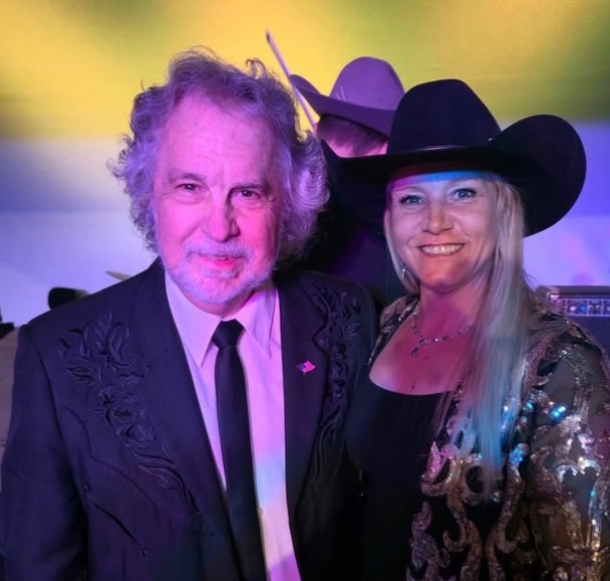
One of the most important chapters of Detamore’s career was his work at Cherry Ridge Studio in Floresville, Texas.
He owned and operated the studio from 1991, transforming it into a recording destination for musicians who wanted an authentic Texas and Americana sound.
A recording studio is more than microphones and equipment. The right producer and engineer can influence everything from the selection of musicians to the arrangement, performance, sound quality, and final mix. Detamore’s understanding of traditional country music allowed him to create an environment where musicians could concentrate on playing rather than simply chasing technical perfection.
Cherry Ridge became associated with the kind of organic, roots-oriented recordings that value real musicianship. Live instruments, strong arrangements, expressive vocals, and traditional country textures were central to the sound.
Working With Great Artists
Throughout his career, Tommy Detamore worked with an impressive range of artists connected to country, Americana, Western swing, Tex-Mex, and Texas roots music.
His collaborations included artists such as Moe Bandy, Ray Price, Doug Sahm, Jim Lauderdale, The Texas Tornados, Robert Earl Keen, Augie Meyers, and others.
His work with Doug Sahm’s musical world was particularly significant because Sahm’s music represented the meeting point of country, rock, blues, Tex-Mex, and other American traditions.
Detamore also produced and played on projects that demonstrated how traditional country could remain relevant without losing its roots. James Talley’s album Touchstones, for example, was recorded in San Antonio with a group of highly respected Texas musicians, with Detamore contributing production and steel guitar.
A Producer Who Understood Authenticity
Perhaps Detamore’s greatest strength as a producer was his understanding of authenticity.
Americana music often depends on a delicate balance. Artists want recordings that sound professional, but they also want the personality of the musicians to remain intact. Overproduction can remove the imperfections and spontaneity that make roots music special.
Detamore’s career demonstrated an appreciation for the opposite approach.
He worked with musicians who understood traditional country and Texas music, allowing the natural character of the performances to remain part of the finished recordings. His production philosophy helped connect generations of musicians and listeners.
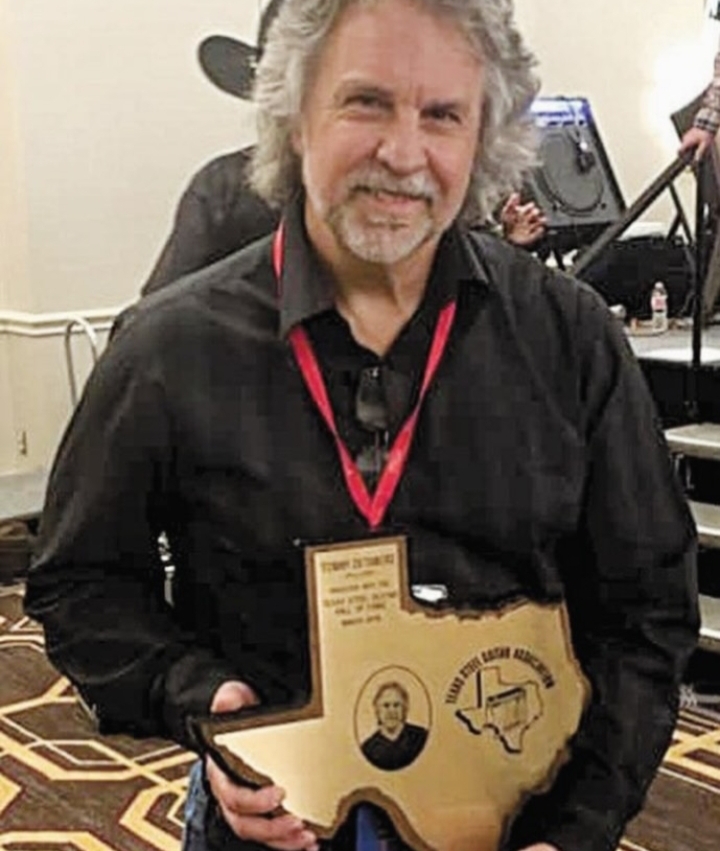
His accomplishments also received recognition. In 2008, the Academy of Western Artists named him Record Producer of the Year. Earlier, in 2001, he engineered a recording of Bill Kirchen’s “Poultry in Motion,” which received a Grammy nomination for Best Country Instrumental.
Continuing the Tradition for a New Generation
Detamore’s influence did not stop with established country veterans.
He continued working with younger artists, demonstrating that traditional country instrumentation and production could still have a place in contemporary music.
One example was his work with Texas country singer Ty Myers. Detamore produced and played steel guitar on recordings that eventually became part of Myers’ The Select project. The song “Drinkin’ Alone,” released in 2025, credits Detamore as producer and steel guitarist.
He also worked with newer Americana artists such as John Surge & The Haymakers. Their music brought together country, Tex-Mex, rock, and other roots influences, showing how Detamore continued to participate in the evolution of Americana rather than simply looking backward.
More Than a Musician
Tommy Detamore’s importance cannot be measured only by the number of albums on which he appeared.
His career represents the importance of musicians who work behind the scenes.
A producer may not always receive the same public attention as a singer. An engineer may not be recognized when a song becomes popular. A studio owner may not appear on the album cover. Yet these people can have enormous influence on how music sounds and how artists develop.
Detamore occupied all of those roles.
He could enter a studio as a musician, understand an artist’s vision as a producer, solve technical problems as an engineer, and help shape a recording from its earliest stages to the finished master.
That combination made him particularly valuable to the Americana and country communities.
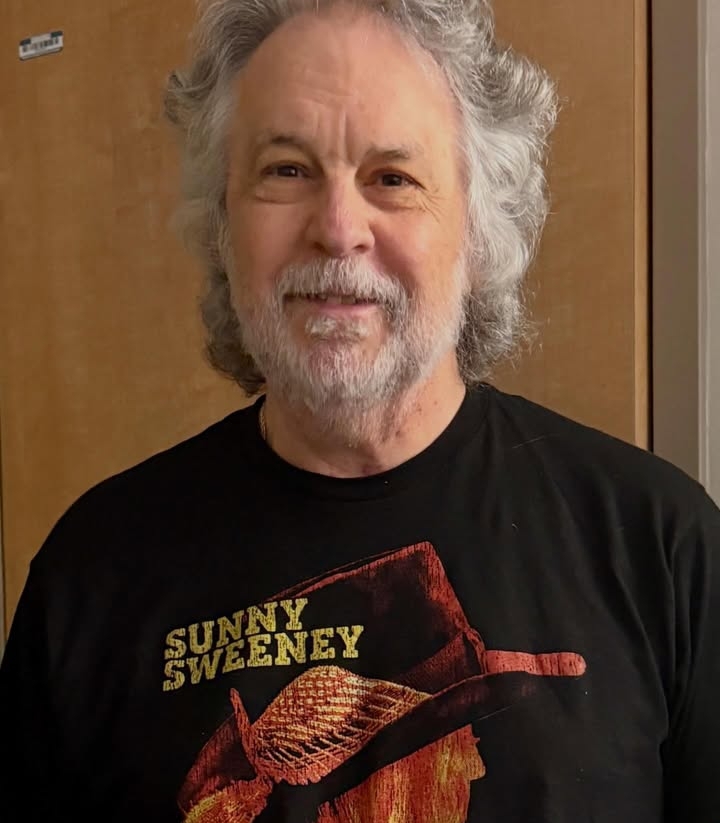
A Lasting Legacy
Tommy Detamore’s legacy is ultimately about preservation and progression.
He respected the traditions of country music while helping artists find contemporary ways to express those traditions. His pedal steel playing carried the emotional language of classic country into new recordings. His production work gave artists the opportunity to create music rooted in Texas, Western swing, honky-tonk, Americana, and traditional country.
His career also demonstrated that authenticity never has to mean standing still.
From his early days in Virginia to his professional career in Texas, from the Grand Ole Opry stage to Cherry Ridge Studio, Detamore built a body of work that connected musicians, generations, and musical styles.
Although Tommy Detamore is no longer here to create new recordings, his contribution will remain audible wherever a pedal steel guitar cries behind a country vocal, wherever a Texas-rooted recording captures the energy of real musicians playing together, and wherever an artist chooses authenticity over imitation.
For Americana and country music, that is a powerful legacy.
Tommy Detamore was not simply part of the history of American roots music. Through his playing, production, engineering, mentorship, and dedication to the craft, he helped keep that history alive—and helped carry it forward.